Explore / KoreaBase
Food & Drink
Useful information and local conversations, all in one place.
Food & Drink / Seoul
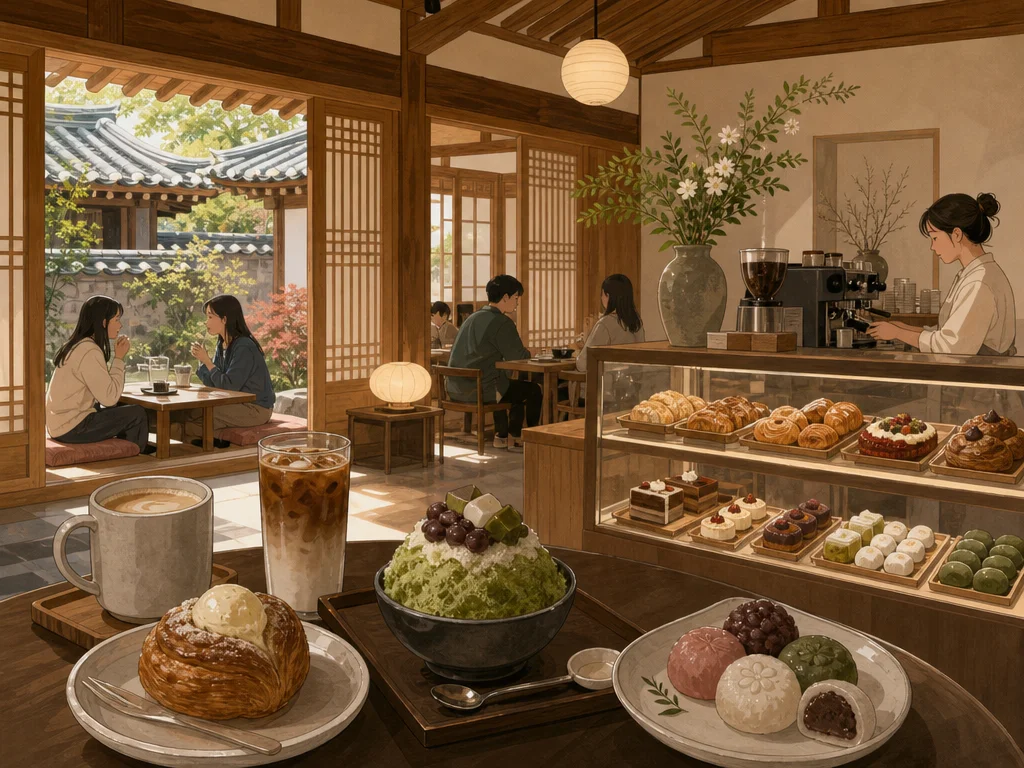
In Seoul, a café visit can mean coffee, pastries, traditional sweets, and a hanok setting in one stop. Here’s why Korean cafe culture blends bakery energy, dessert menus, and photogenic design so naturally—and what foreign visitors should order and expect.
KoreaBase Editorial · Nov 5, 2026
Food & Drink / Nationwide
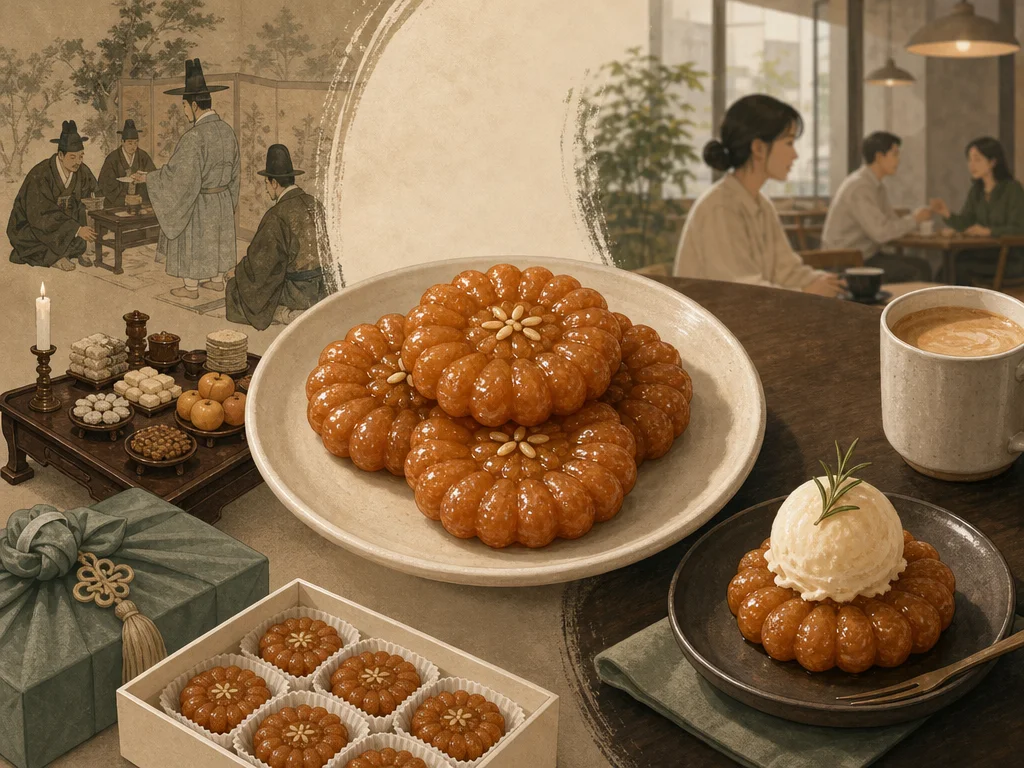
Yakgwa is a classic Korean traditional sweet made from flour, honey, and oil. Long served on ancestral tables, holiday spreads, and in royal and ceremonial settings, it is now drawing renewed attention as a cafe dessert and bite-sized gift treat.
KoreaBase Editorial · Nov 5, 2026
Food & Drink / Nationwide
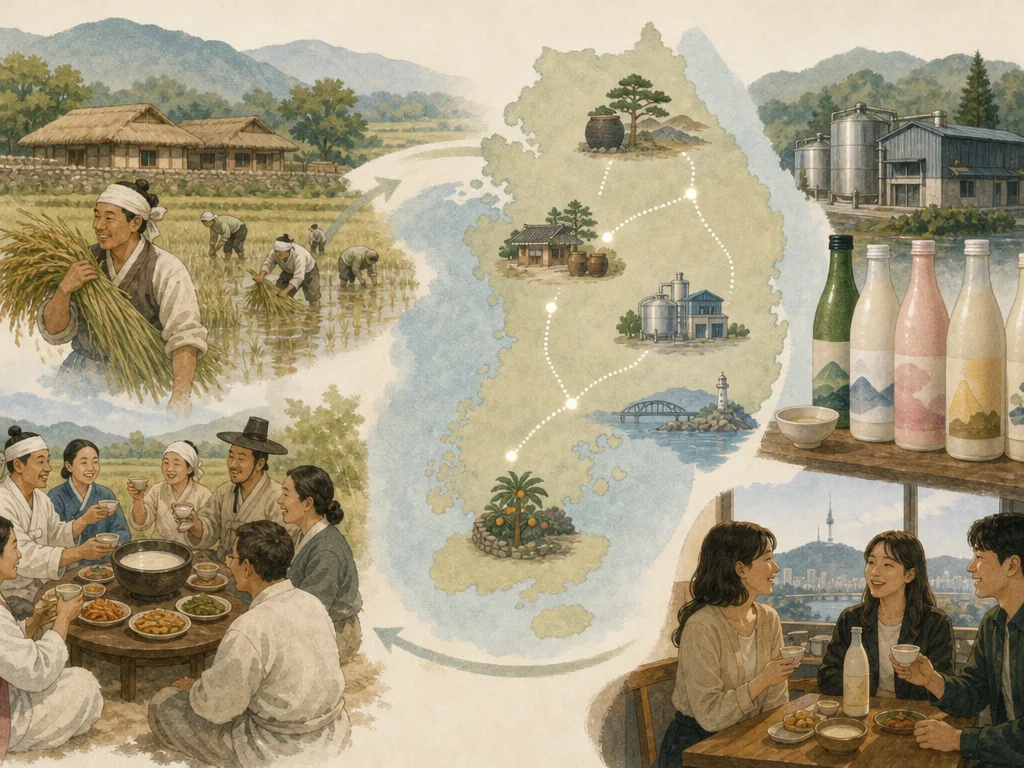
Makgeolli is one of Korea’s most familiar traditional alcoholic drinks, a cloudy rice wine fermented with nuruk, water, and grains. Once tied to farm life, snacks between field work, and village gatherings, it is now being reinterpreted by local breweries with different ingredients, fermentation methods, sweetness, acidity, and textures.
KoreaBase Editorial · Nov 5, 2026
Food & Drink / Nationwide
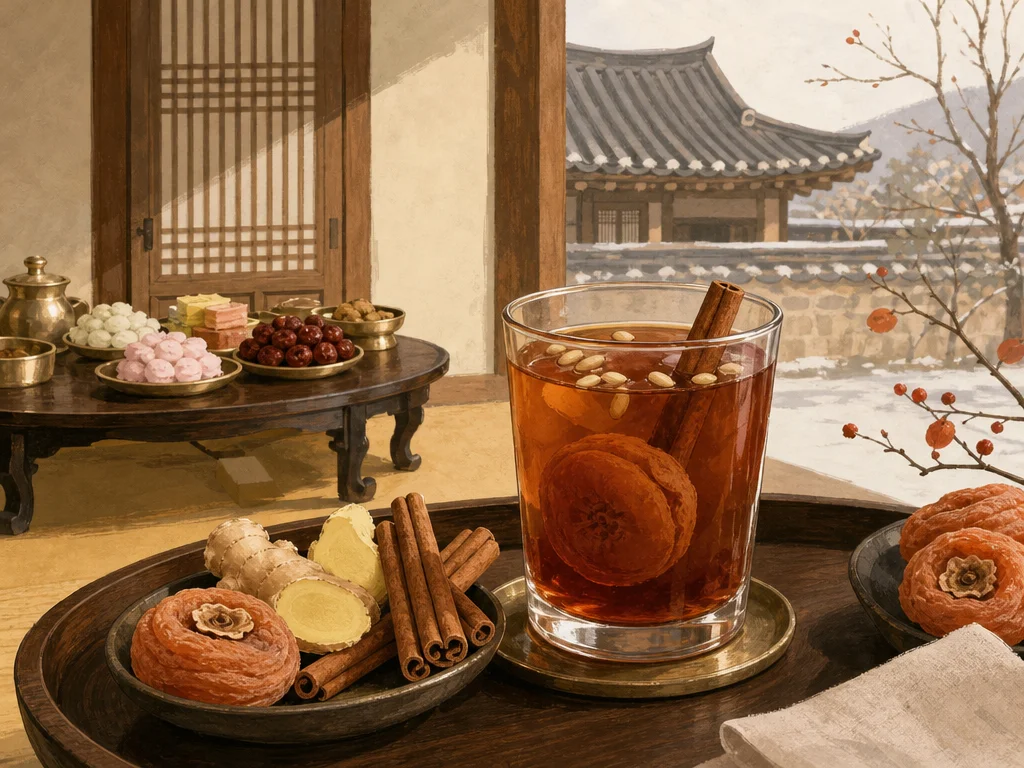
Sujeonggwa is one of Korea’s traditional dessert drinks, remembered first for its aroma. Made by simmering cinnamon and ginger, then chilled with dried persimmon, it carries the feel of holiday tables, courtly dessert culture, and a winter palate cleanser.
KoreaBase Editorial · Nov 5, 2026
Food & Drink / Nationwide
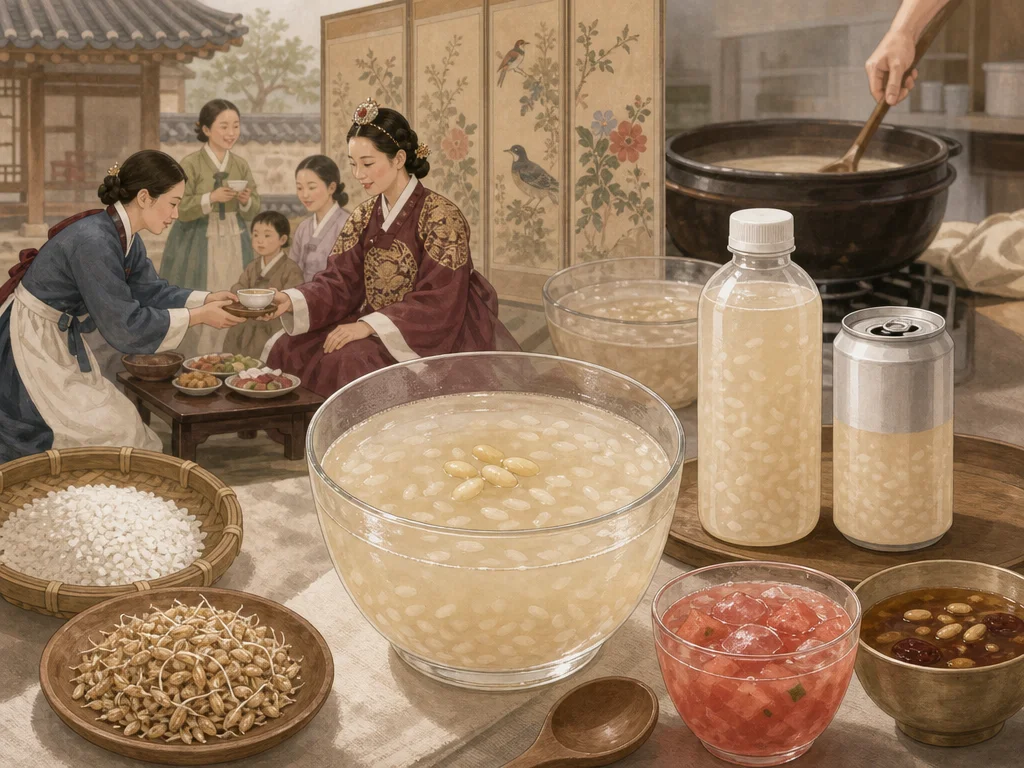
Sikhye is a traditional Korean sweet fermented drink made from rice and malted barley, long enjoyed in palaces and homes after holidays and feasts. When served cold, its aroma and sweetness stand out, and the rice grains floating in it give it a distinctive texture that sets it apart from sujeonggwa and watermelon hwachae. Today, commercial and homemade versions coexist, and their principles and flavors differ clearly.
KoreaBase Editorial · Nov 5, 2026
Food & Drink / Nationwide
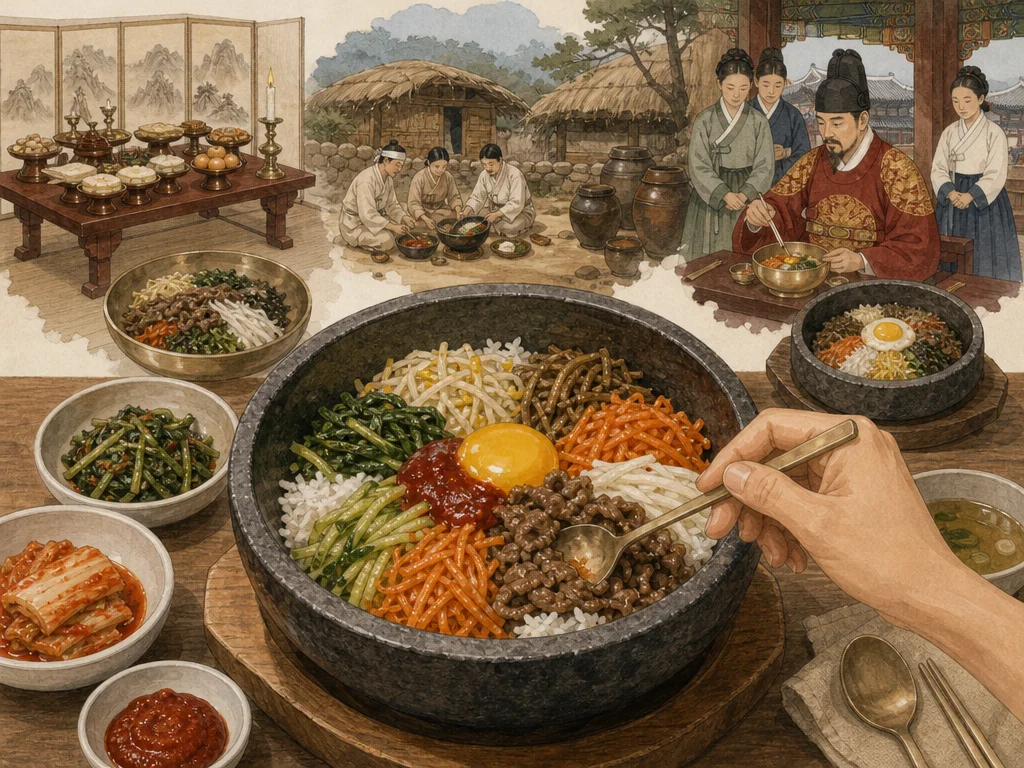
Bibimbap is Korea’s signature mixed rice dish, served with various vegetables, meat, egg, and a gochujang or soy-based seasoning mixed into a single bowl. According to official sources, its origins are explained through ancestral rites, rural table customs, the practice of mixing leftover side dishes, and regional development. Once called goldongban in the Joseon Dynasty, it was enjoyed by both the royal court and the public, and through Jeonju bibimbap and dolsot bibimbap, it became a popular…
KoreaBase Editorial · Nov 5, 2026
Food & Drink / Nationwide
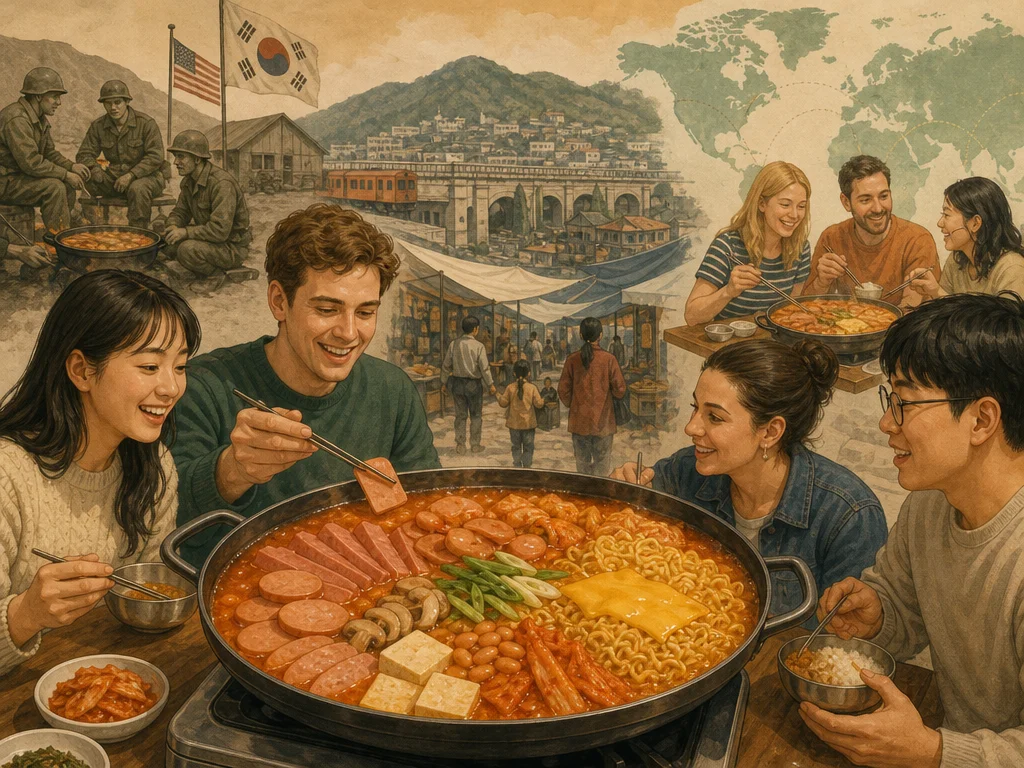
A food guide on budaejjigae that traces its post-war origins near Uijeongbu, explains the dish’s name and evolution, covers origin debates and regional styles, and describes how different international diners tend to read its flavor, heat, and ingredient mix.
KoreaBase Editorial · Nov 3, 2026