Explore / KoreaBase
Food & Drink
Useful information and local conversations, all in one place.
Food & Drink
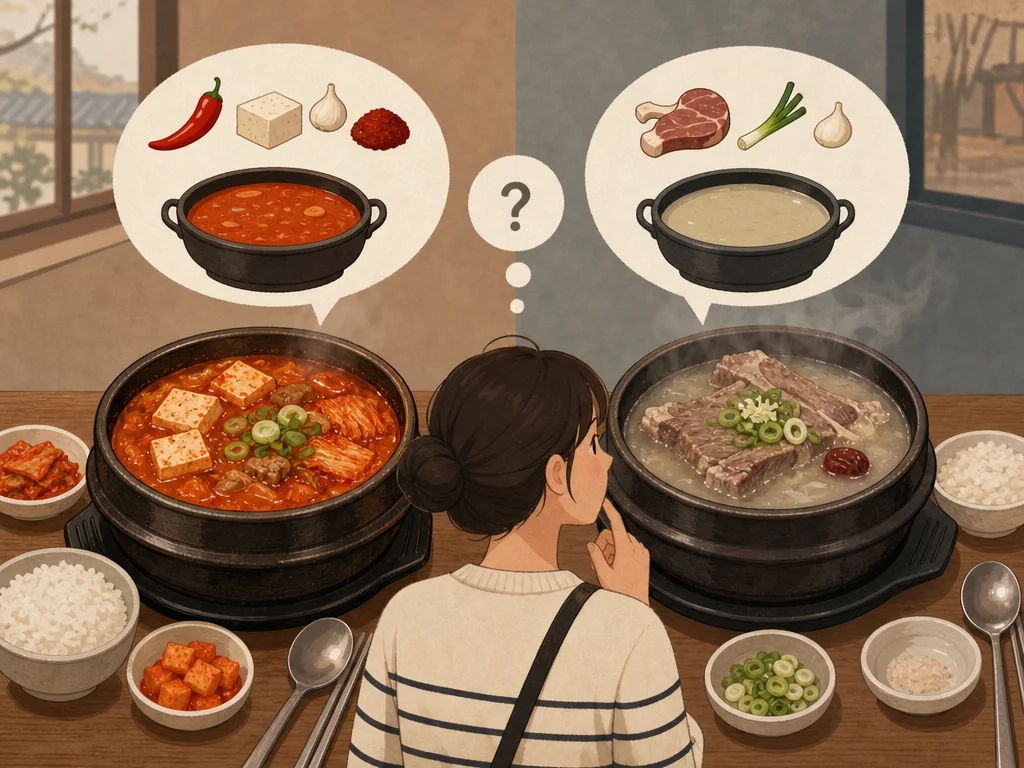
Jjigae (찌개) and tang (탕) can both look like soup on a Korean menu. Jjigae is generally more stew-like, while tang often has more broth, but seasoning and ingredients vary. Here are some menu clues to help you order.
KoreaBase Editorial · Nov 5, 2026
Food & Drink / Seoul
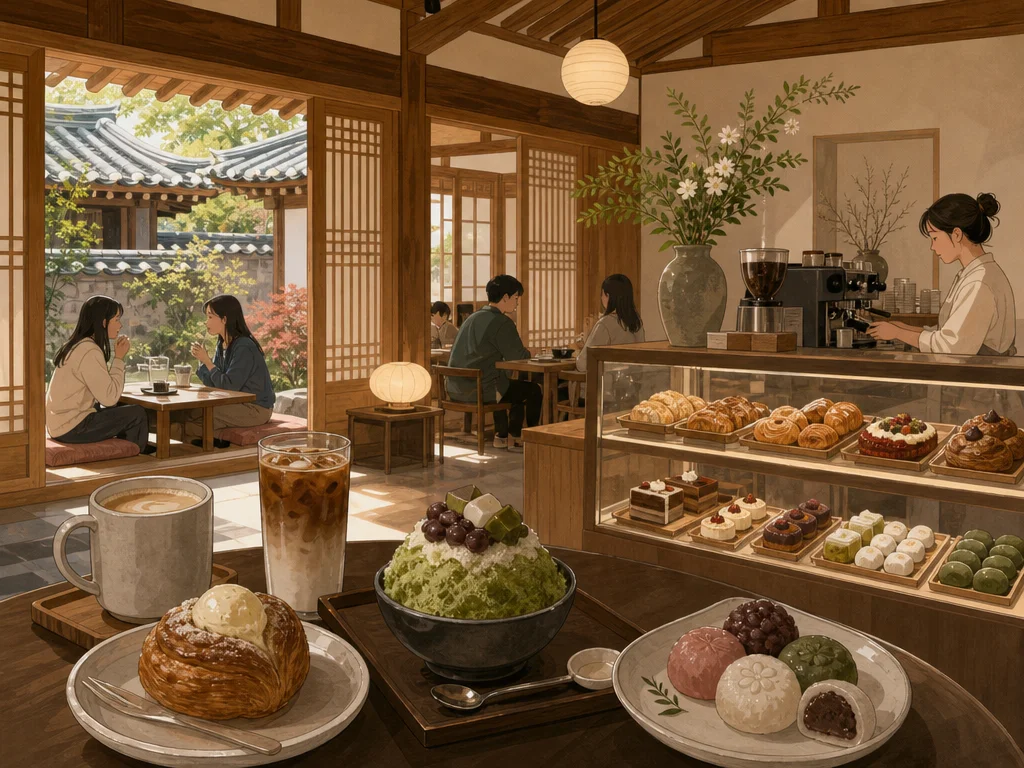
In Seoul, a café visit can mean coffee, pastries, traditional sweets, and a hanok setting in one stop. Here’s why Korean cafe culture blends bakery energy, dessert menus, and photogenic design so naturally—and what foreign visitors should order and expect.
KoreaBase Editorial · Nov 5, 2026
Food & Drink / Nationwide
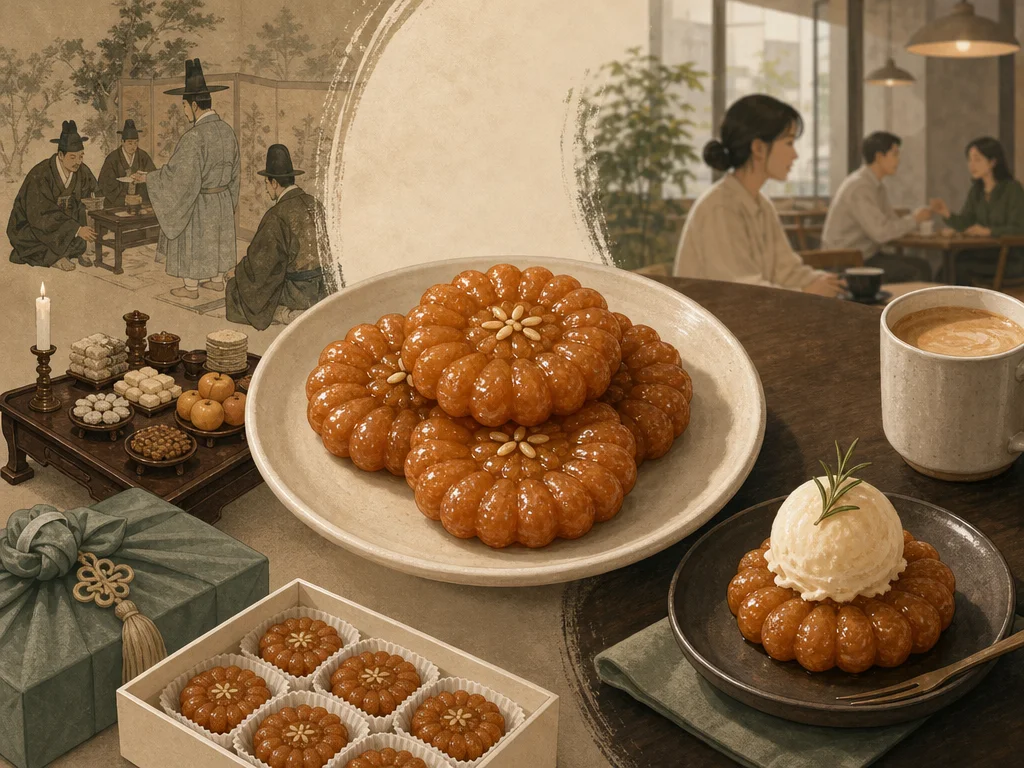
Yakgwa is a traditional Korean sweet made from wheat flour and oil, often sweetened with honey or syrup. Long served on ancestral and holiday tables and at special celebrations, it has also found a place in modern cafe desserts and gift boxes.
KoreaBase Editorial · Nov 5, 2026
Food & Drink / Nationwide
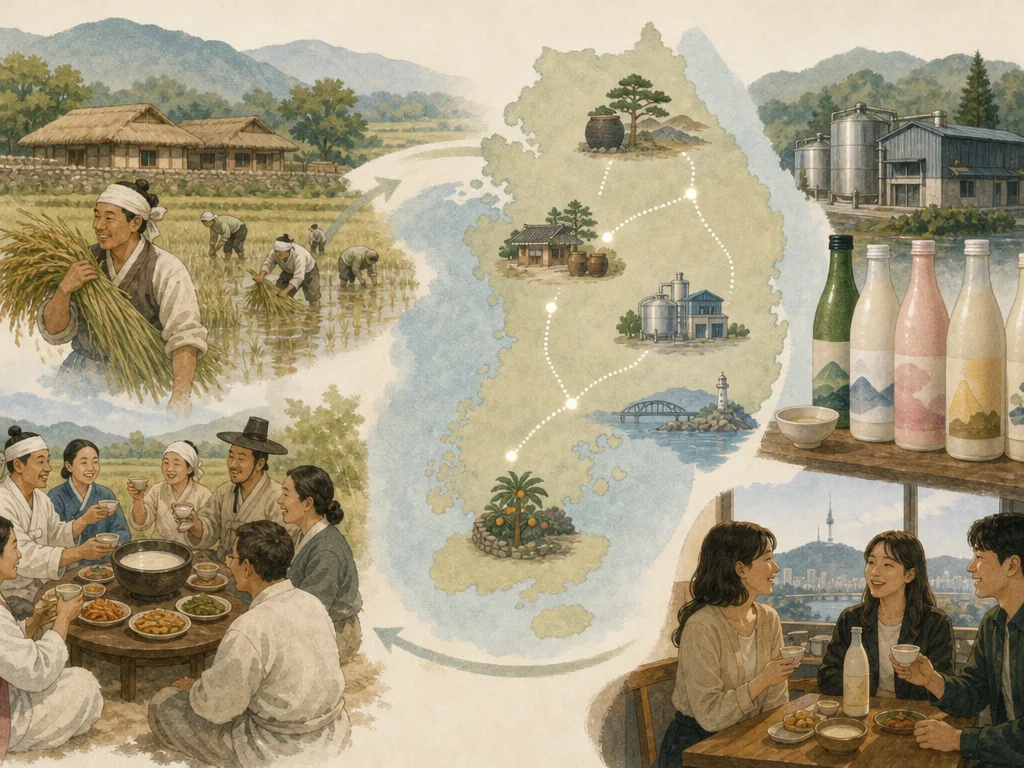
Makgeolli is one of Korea’s most familiar traditional alcoholic drinks, a cloudy grain wine traditionally fermented with nuruk and water. Once tied to farm life, breaks between fieldwork, and village gatherings, it is now made by breweries across Korea with different ingredients, fermentation methods, sweetness, acidity, and textures.
KoreaBase Editorial · Nov 5, 2026

Food & Drink / Nationwide
Sujeonggwa is one of Korea’s traditional dessert drinks, remembered first for its aroma. Made with cinnamon and ginger and served chilled, often with dried persimmon, it evokes holiday tables, courtly dessert culture, and a winter palate cleanser.
KoreaBase Editorial · Nov 5, 2026
Food & Drink / Nationwide
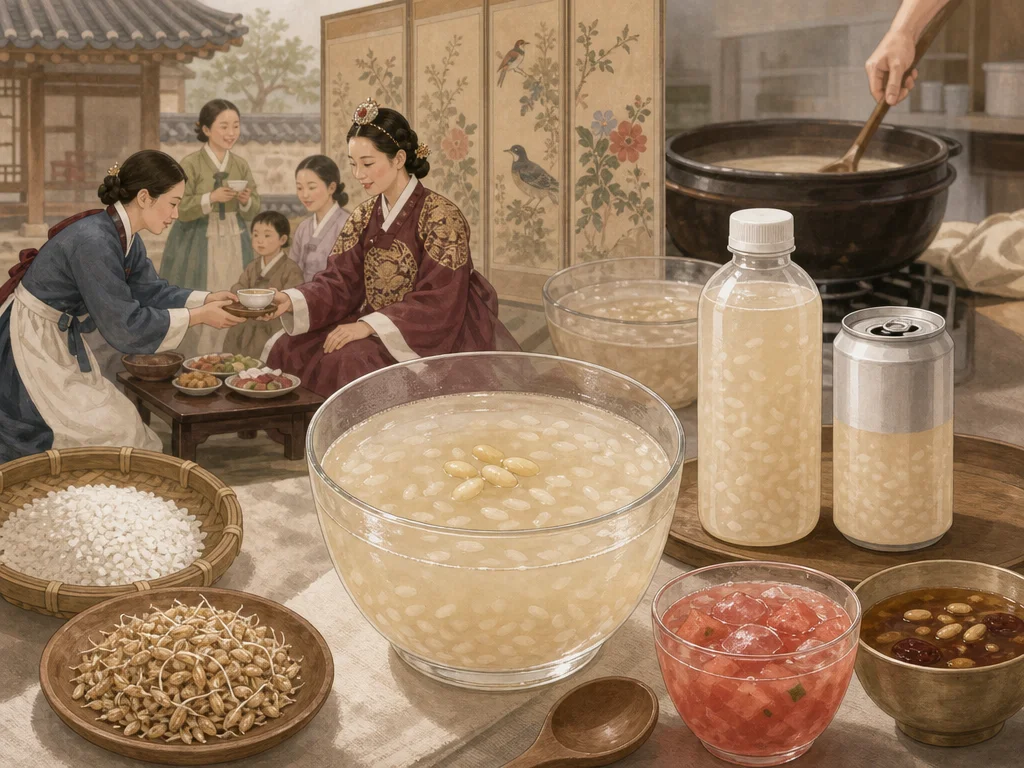
Sikhye is a traditional Korean sweet rice drink usually made with rice and malted barley, long enjoyed after holidays and feasts. Often served cold, it is known for its grain aroma, sweetness and characteristic rice grains. Commercial and homemade versions vary in ingredients and flavor.
KoreaBase Editorial · Nov 5, 2026
Food & Drink / Nationwide
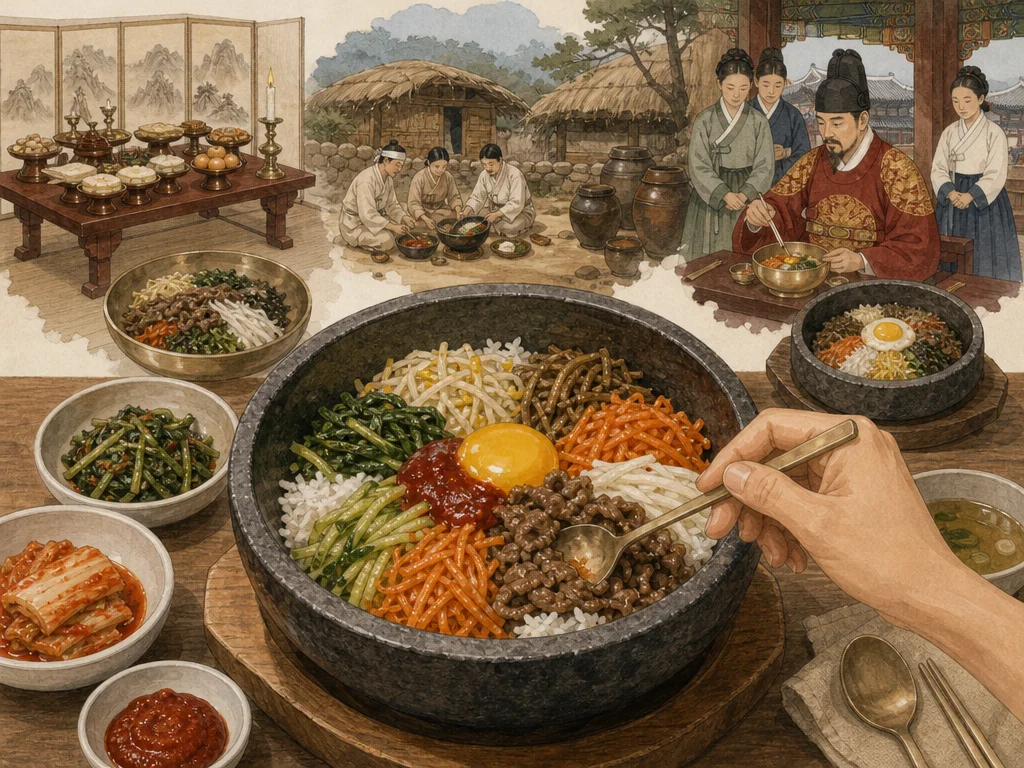
Bibimbap is Korea’s signature mixed rice dish, typically served with vegetables and sometimes meat and egg, with gochujang or another seasoning. Its exact origins are uncertain, with explanations involving ancestral rites, farming customs and leftover food. Known in the royal court as goldongban, it was also enjoyed outside the palace. Regional versions include Jeonju bibimbap, while dolsot bibimbap is served in a hot stone bowl.
KoreaBase Editorial · Nov 5, 2026
Food & Drink / Nationwide
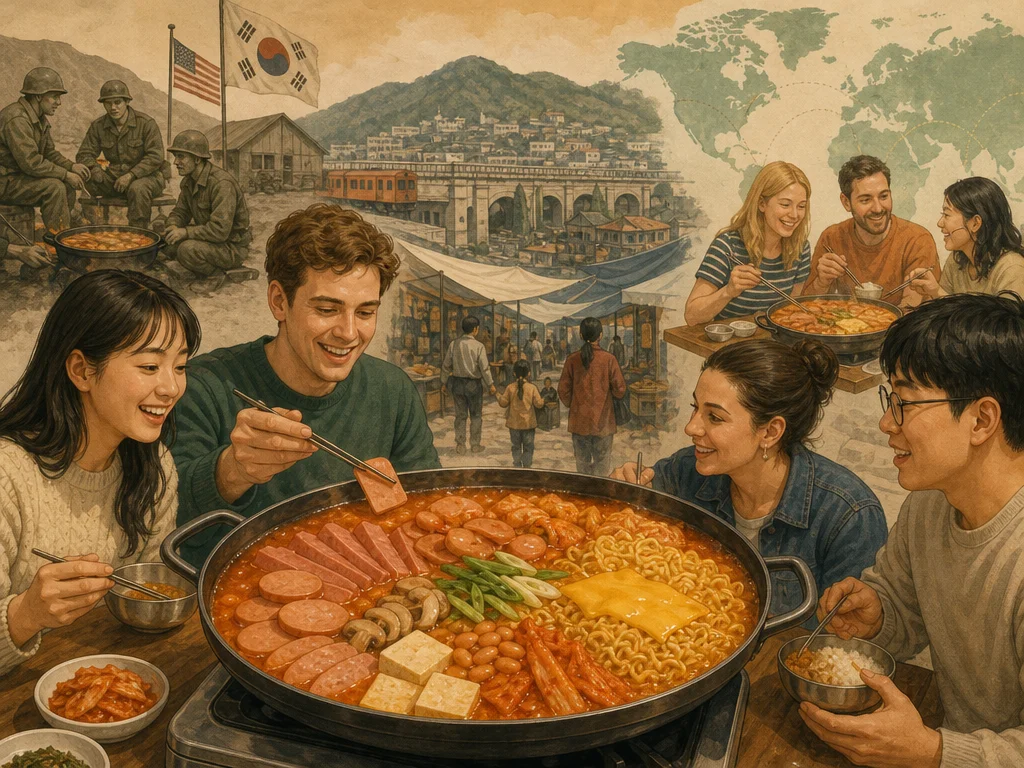
A guide to budaejjigae, its post-war history and ties to Uijeongbu, and the ingredients and flavors that characterize this Korean army stew.
KoreaBase Editorial · Nov 3, 2026