Explore / KoreaBase
Seoul
Guides, news, food, places and events for people exploring Korea.
Places / Seoul
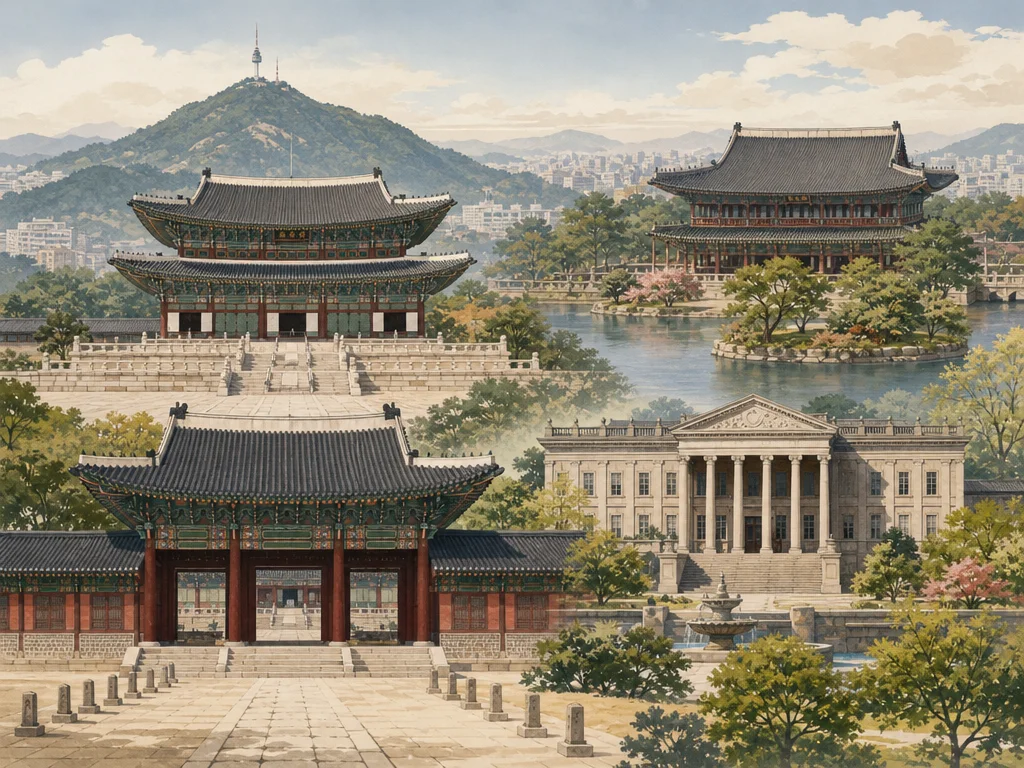
From ceremonial courtyards to royal residences and an imperial stone hall, Seoul’s four palaces tell different stories about court life and Korea’s changing history.
KoreaBase Editorial · Nov 13, 2026
Places / Seoul
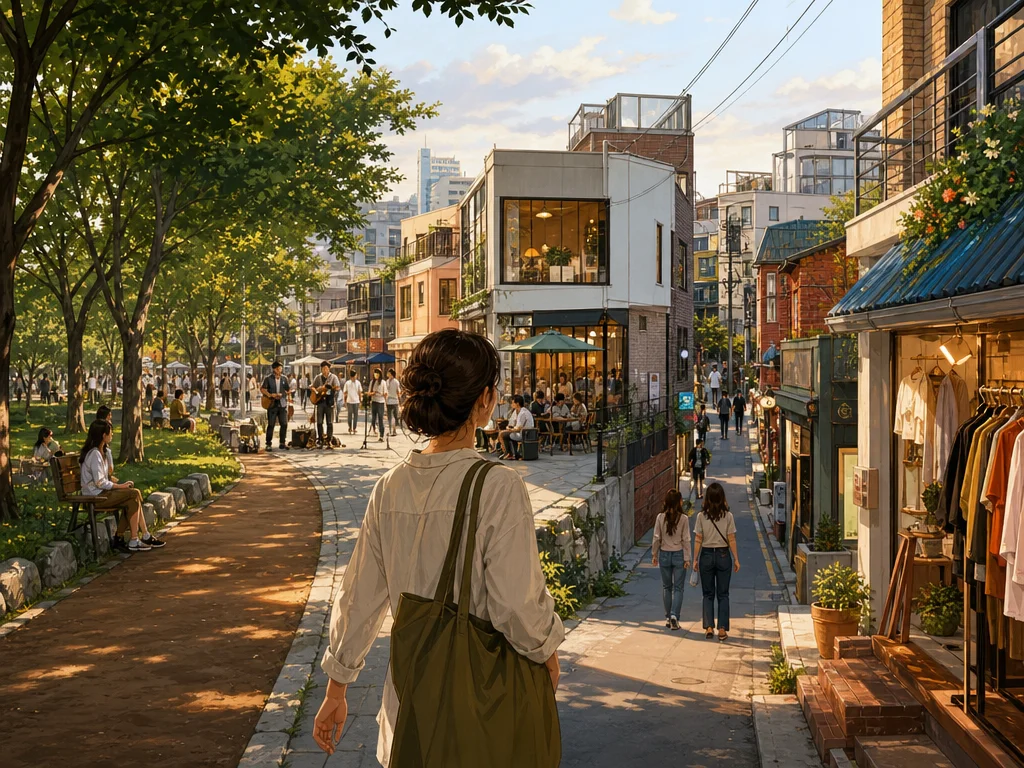
Start at Hongik University Station and spend 3 to 5 hours walking Hongdae’s street culture, Red Road, fashion and beauty shopping streets, Yeontral Park, and Yeonnam-dong’s cafe alleys. This guide explains why the district matters, when to go, how to arrive by subway or airport rail, and what to watch for on your first visit.
KoreaBase Editorial · Nov 13, 2026
Places / Seoul
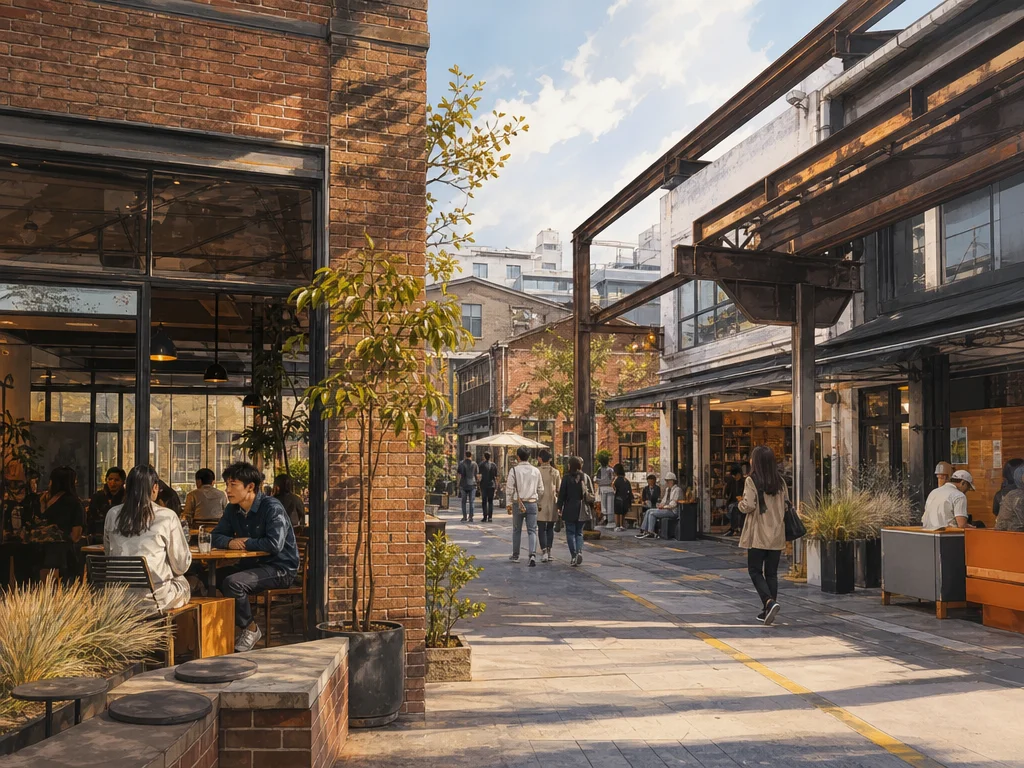
Once lined with factories, warehouses, and shoe workshops, Seongsu-dong Cafe Street has become one of Seoul’s most recognizable trend districts. Here is what changed, why it draws foreign visitors, how to get there, and what to expect from its cafes, pop-ups, and all-day street life.
KoreaBase Editorial · Nov 12, 2026
Food & Drink / Seoul
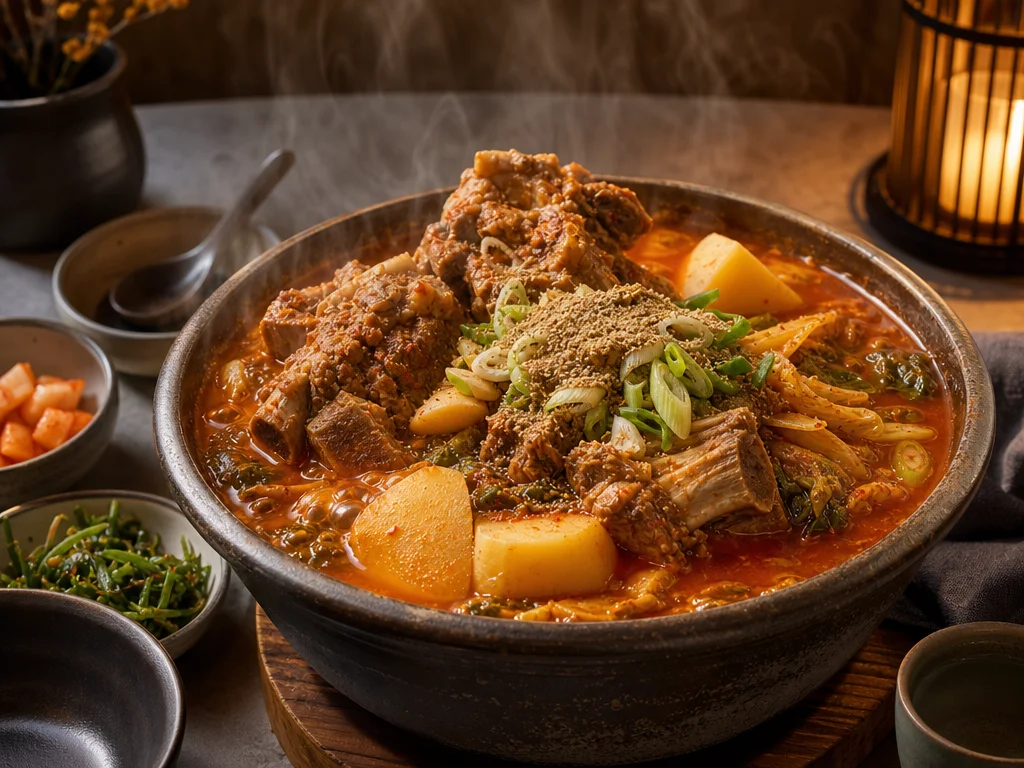
Gamjatang is a hearty Korean pork-bone stew with a long Seoul story, a misleading name, and a loyal following. This guide explains where it came from, why the potato rumor persists, how Koreans actually eat it, what visitors usually pay, and where to try it in Eungam-dong, Myeongdong, or Hongdae.
KoreaBase Editorial · Nov 12, 2026
News & Topics / Seoul
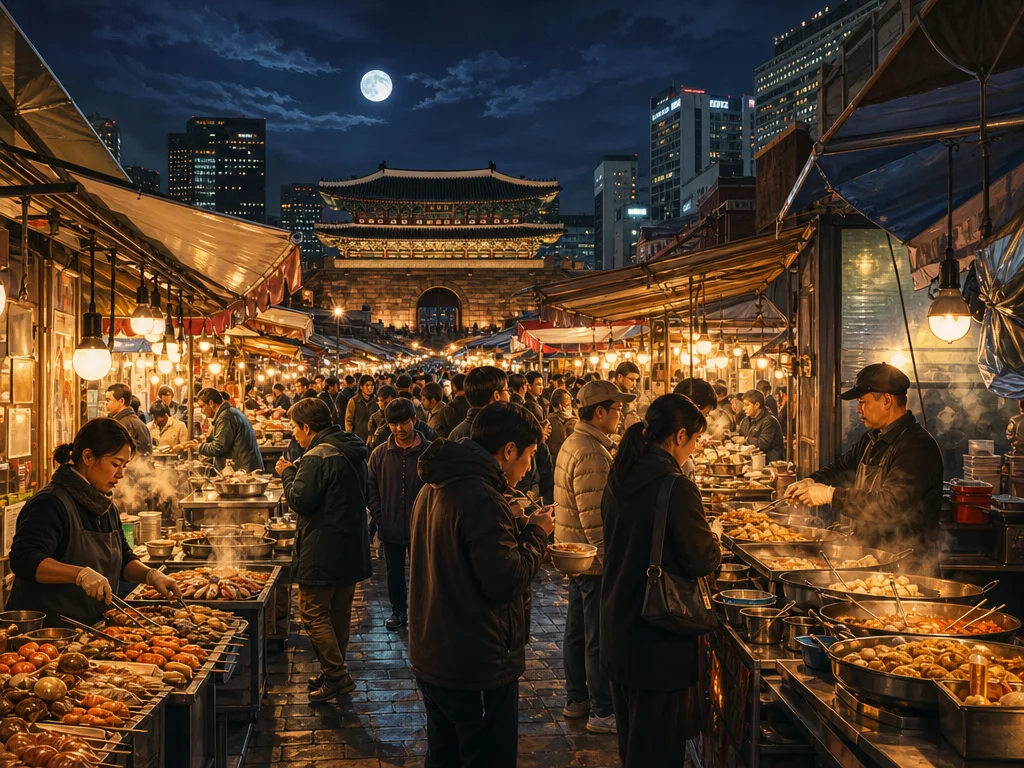
The 2026 Seoul Dalbit Gourmet Festival runs at Namdaemun Market from November 14 to 21, 2026, each day from 6:00 p.m. to 9:00 p.m., with no event on Sunday, November 15. The official program is free to enter and adds chef collaboration dishes, a flea market, and guided food-tour content to an already easy late-night Seoul stop.
KoreaBase Editorial · Nov 12, 2026
Places / Seoul
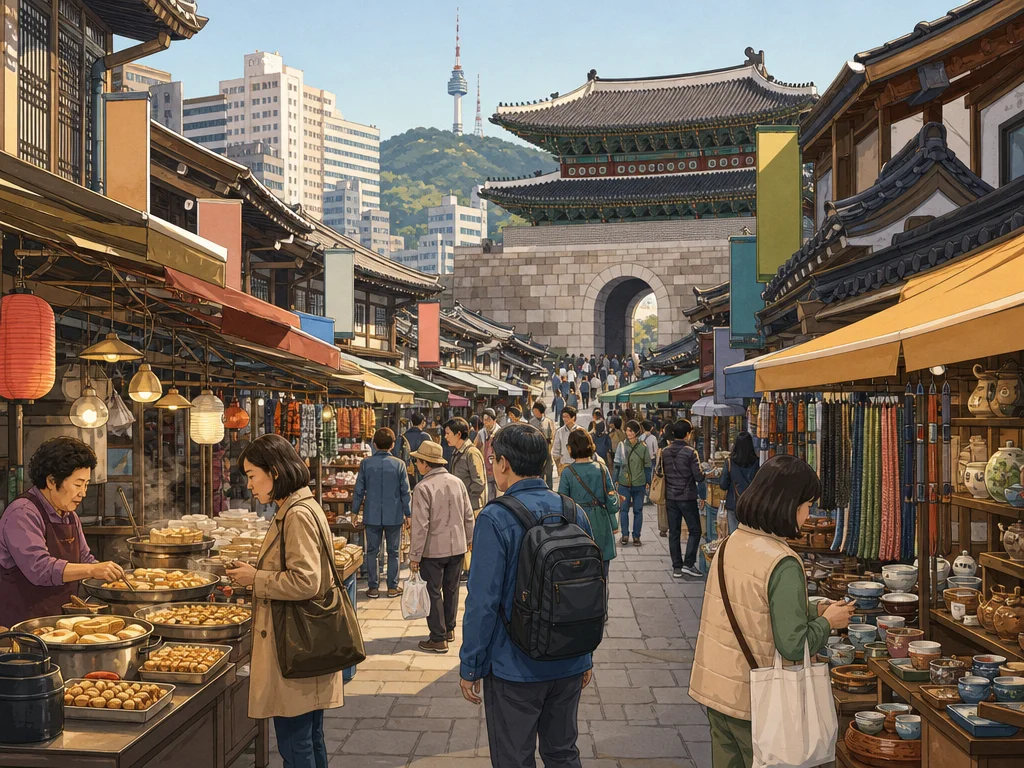
Namdaemun Market is Seoul’s oldest and largest traditional market, but it is still a working wholesale-retail district, not a staged tourist street. This guide explains its history, the best subway access, what to look for, what to eat, where to find facilities, and the safest time to visit if you want the most open shops.
KoreaBase Editorial · Nov 11, 2026
Places / Seoul
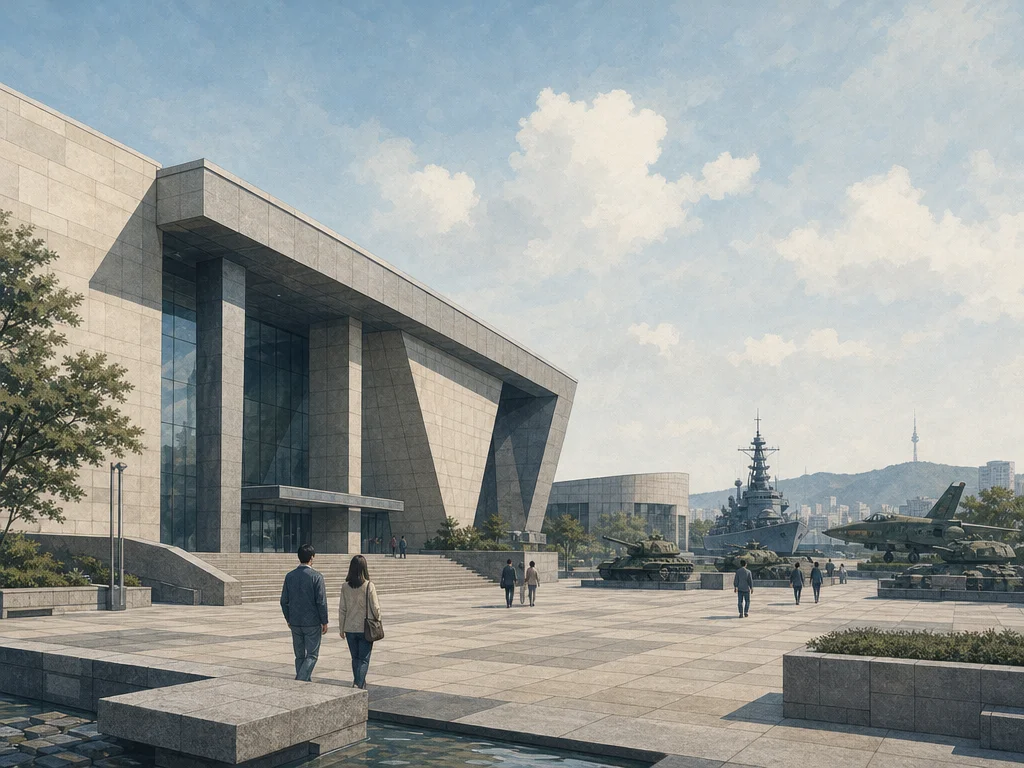
The War Memorial of Korea in Seoul is one of the city’s most useful history stops for first-time visitors: free admission, a large indoor-and-outdoor complex, and a clear way to understand the Korean War and Korea’s wider military history before or after exploring Yongsan. This guide covers hours, access, language help, key exhibits, and a short historical frame so the visit feels meaningful and manageable.
KoreaBase Editorial · Nov 11, 2026
Guides / Seoul
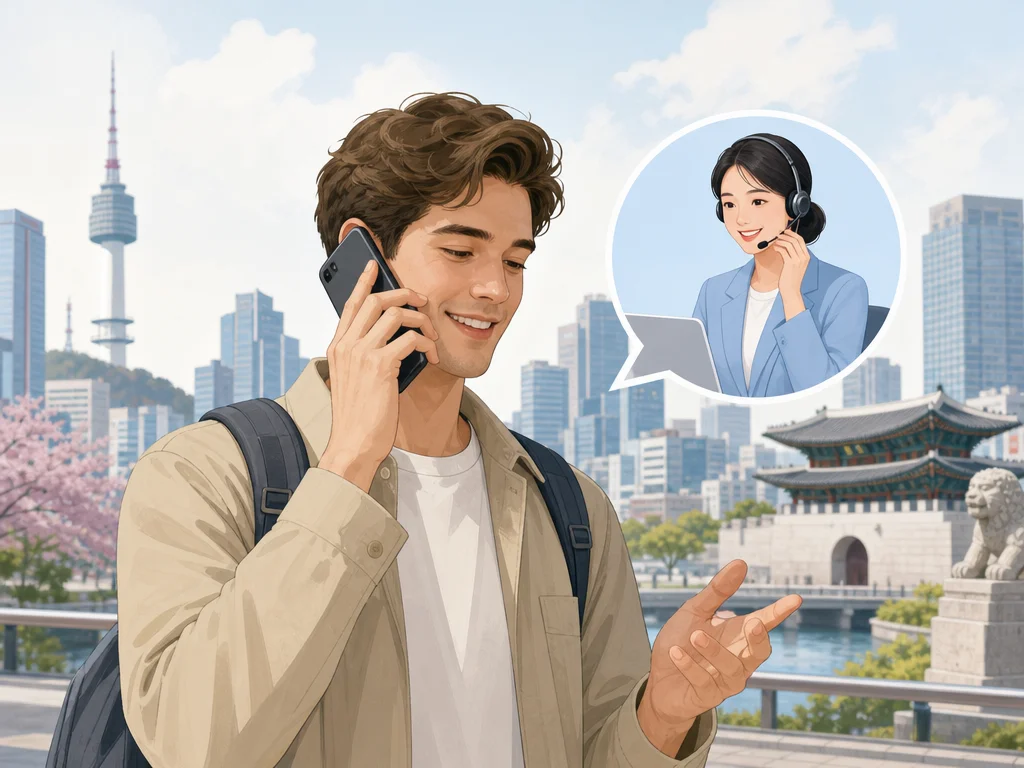
Seoul’s Dasan Call Center is one of the simplest ways for foreign visitors to ask city-related questions without knowing Korean. This guide explains how to reach 120, which foreign languages are supported, when the service is available, and what kinds of everyday help it can realistically provide in Seoul.
KoreaBase Editorial · Nov 11, 2026
Guides / Seoul
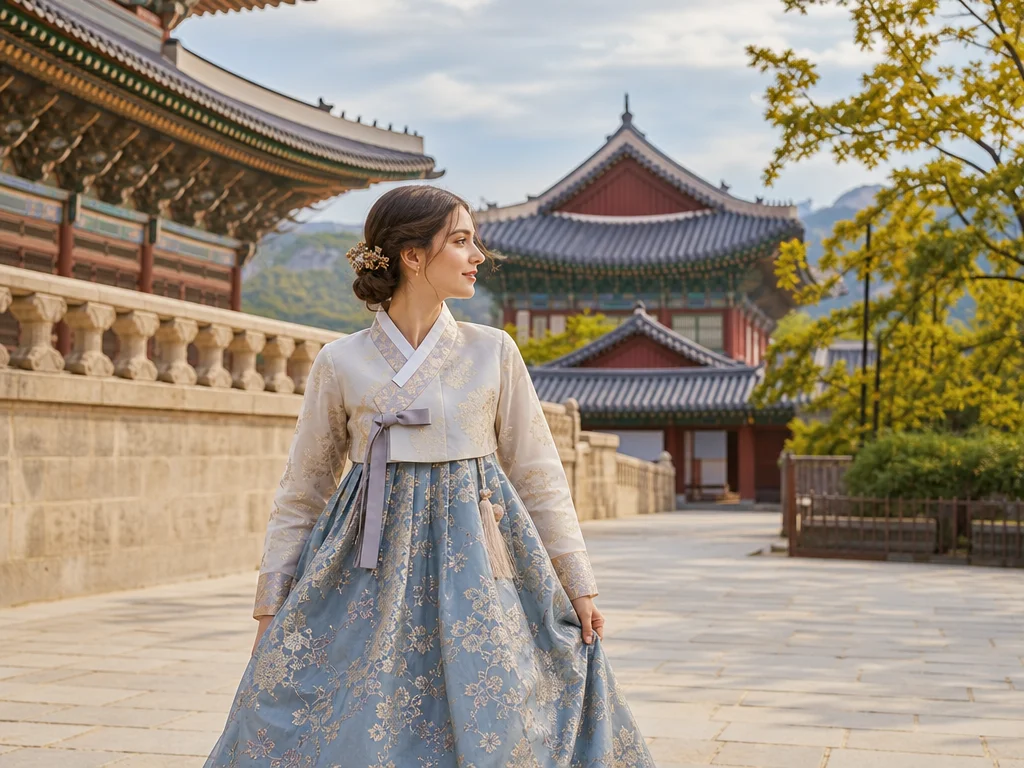
Hanbok is Korea’s traditional dress, but it is also a living style that has evolved into easier-to-wear modern forms. This guide explains its history, what to expect when renting hanbok in Seoul, typical price ranges near Gyeongbokgung Palace, how the free-entry benefit works, and how to understand the hanbok-versus-hanfu debate without getting lost in the noise.
KoreaBase Editorial · Nov 10, 2026
Places / Seoul
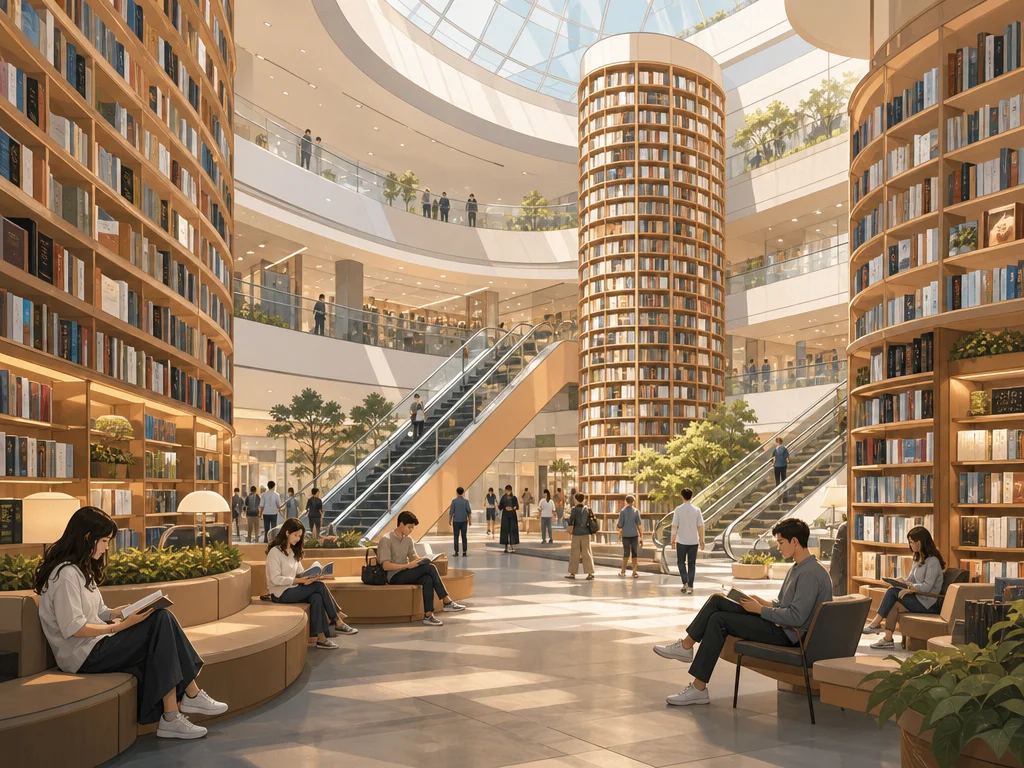
Starfield Library sits in the center of COEX Mall in Gangnam and is easy to reach from Samseong Station. Here is what to know before you go: the official hours, the free-entry setup, what you can actually do there, and why this open public space became one of Seoul’s most photographed indoor stops.
KoreaBase Editorial · Nov 10, 2026
Guides / Seoul
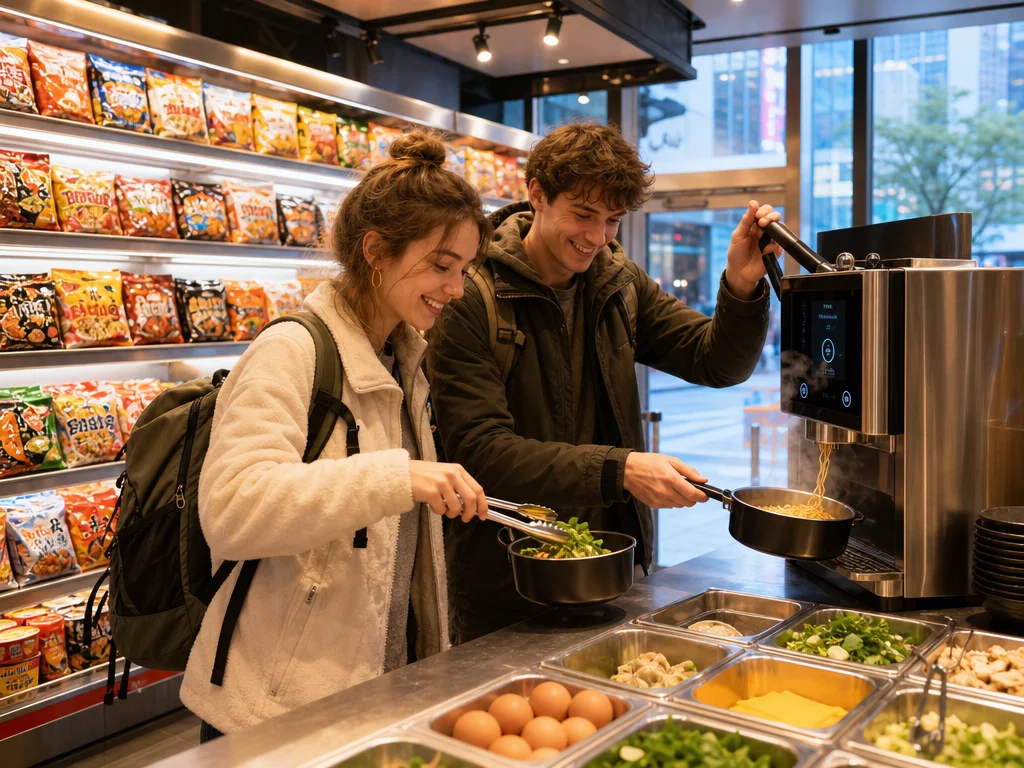
Self-service ramyeon shops offer a casual food experience for first-time visitors. Here’s how to use a cooking machine, budget for noodles and extras, choose toppings, and explore a Hongdae shop known for attracting international guests.
KoreaBase Editorial · Nov 9, 2026
Guides / Seoul
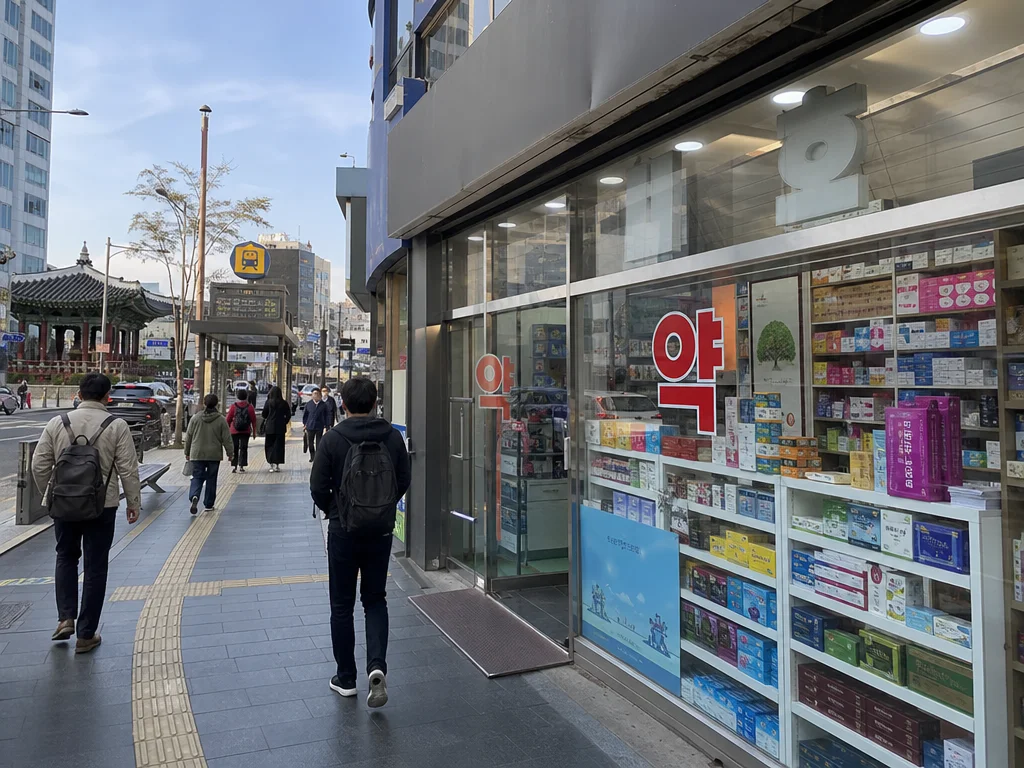
Korea can be a practical place to buy common medicines and health products at a lower cost than many visitors expect, but the rules still matter. This guide explains what pharmacies usually sell without a prescription, where foreign visitors are most likely to find easy-to-visit pharmacy areas in Seoul, including Jongno, and what to check before you fly home.
KoreaBase Editorial · Nov 7, 2026