Explore / KoreaBase
Culture
Guides, news, food, places and events for people exploring Korea.

Places / Jeju
Skip the festival-first framing and explore Jeju through its walking routes, village landscapes, coastal paths, and food stops. This guide shows how to build a slower first trip around official trails, public transit, and simple planning choices that keep the island’s walking culture at the center.
KoreaBase Editorial · Nov 5, 2026
Food & Drink / Seoul
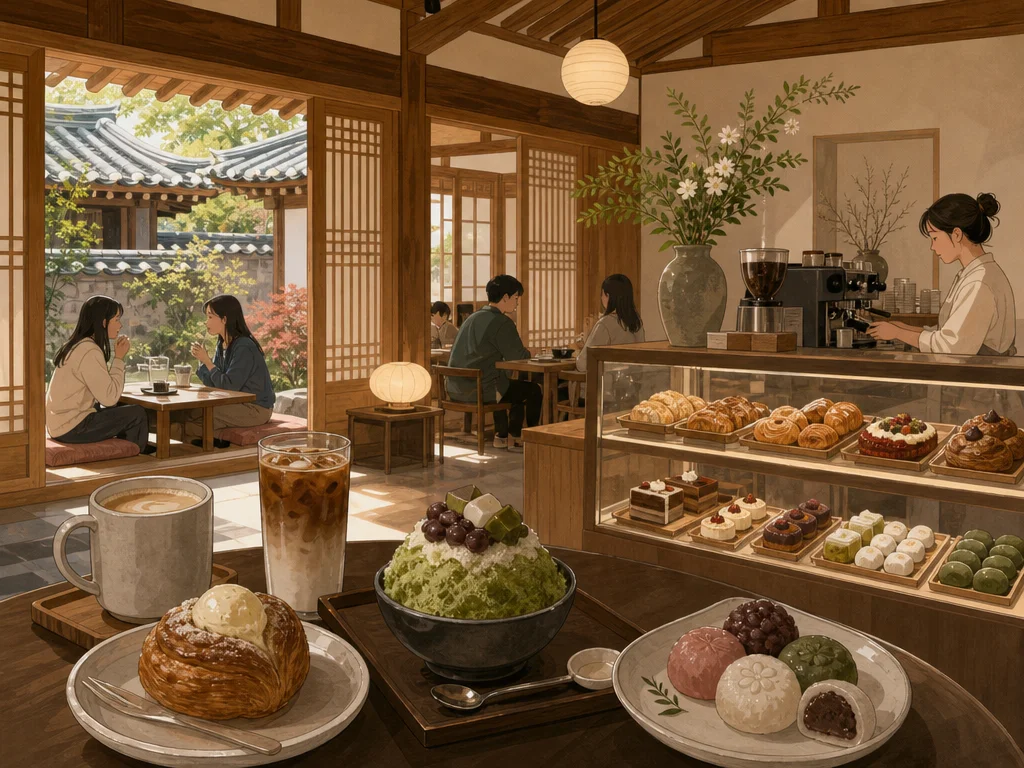
In Seoul, a café visit can mean coffee, pastries, traditional sweets, and a hanok setting in one stop. Here’s why Korean cafe culture blends bakery energy, dessert menus, and photogenic design so naturally—and what foreign visitors should order and expect.
KoreaBase Editorial · Nov 5, 2026
Food & Drink / Nationwide
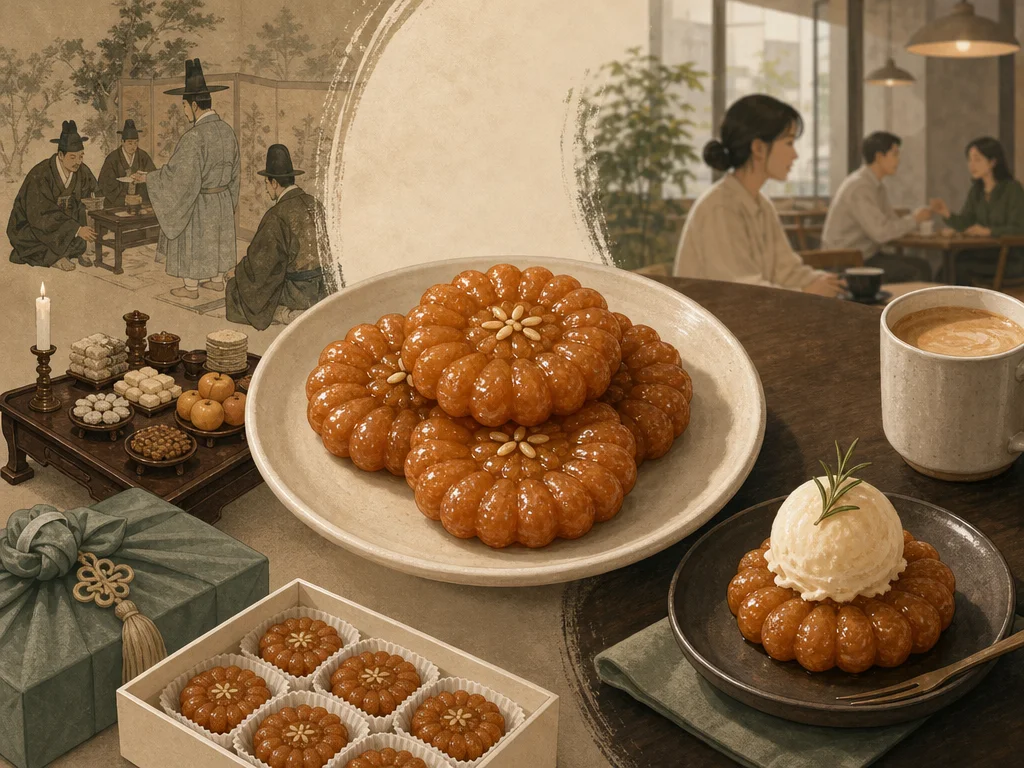
Yakgwa is a traditional Korean sweet made from wheat flour and oil, often sweetened with honey or syrup. Long served on ancestral and holiday tables and at special celebrations, it has also found a place in modern cafe desserts and gift boxes.
KoreaBase Editorial · Nov 5, 2026
Food & Drink / Nationwide
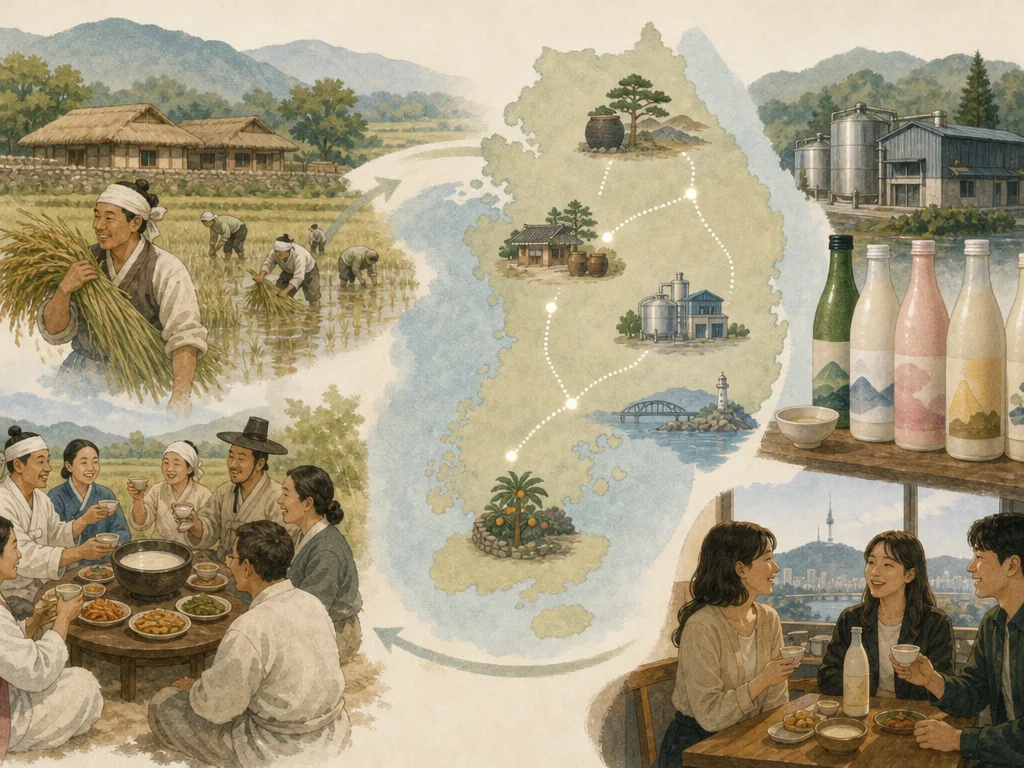
Makgeolli is one of Korea’s most familiar traditional alcoholic drinks, a cloudy grain wine traditionally fermented with nuruk and water. Once tied to farm life, breaks between fieldwork, and village gatherings, it is now made by breweries across Korea with different ingredients, fermentation methods, sweetness, acidity, and textures.
KoreaBase Editorial · Nov 5, 2026

Food & Drink / Nationwide
Sujeonggwa is one of Korea’s traditional dessert drinks, remembered first for its aroma. Made with cinnamon and ginger and served chilled, often with dried persimmon, it evokes holiday tables, courtly dessert culture, and a winter palate cleanser.
KoreaBase Editorial · Nov 5, 2026
Food & Drink / Nationwide
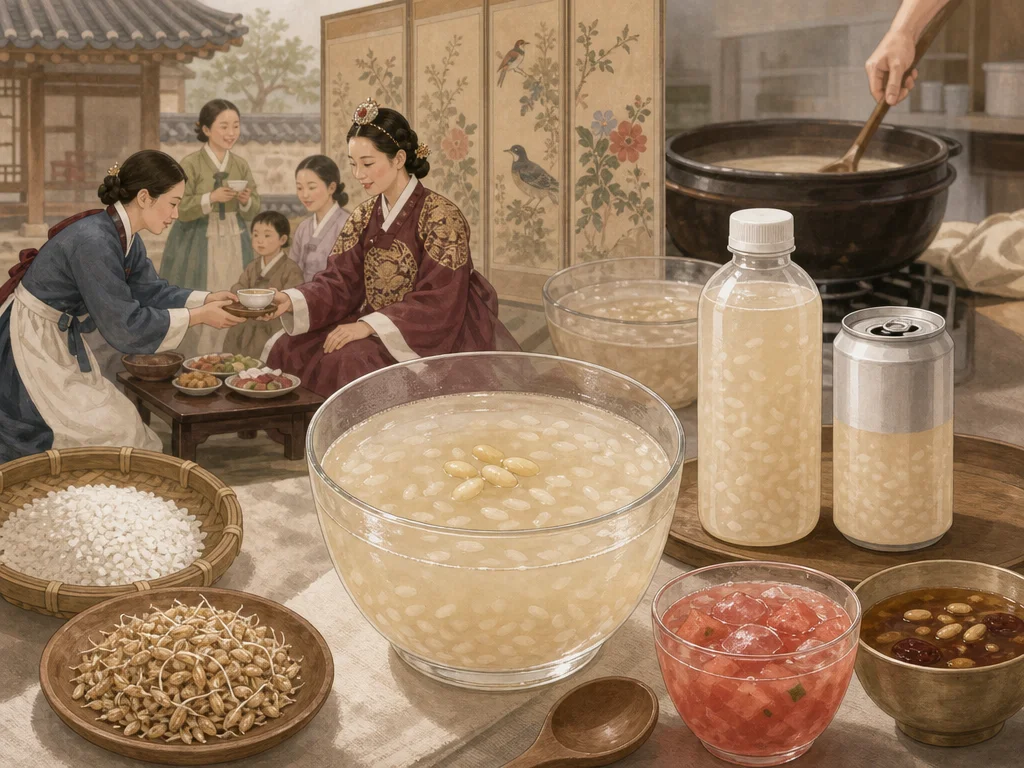
Sikhye is a traditional Korean sweet rice drink usually made with rice and malted barley, long enjoyed after holidays and feasts. Often served cold, it is known for its grain aroma, sweetness and characteristic rice grains. Commercial and homemade versions vary in ingredients and flavor.
KoreaBase Editorial · Nov 5, 2026
Food & Drink / Nationwide
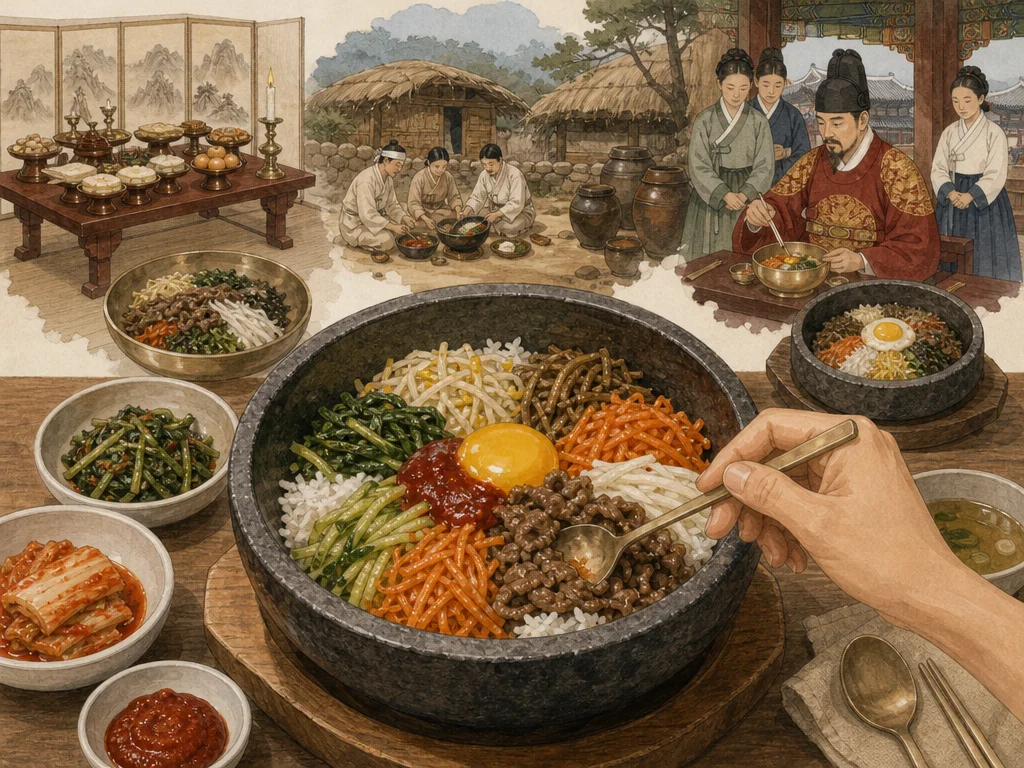
Bibimbap is Korea’s signature mixed rice dish, typically served with vegetables and sometimes meat and egg, with gochujang or another seasoning. Its exact origins are uncertain, with explanations involving ancestral rites, farming customs and leftover food. Known in the royal court as goldongban, it was also enjoyed outside the palace. Regional versions include Jeonju bibimbap, while dolsot bibimbap is served in a hot stone bowl.
KoreaBase Editorial · Nov 5, 2026

Places / Busan
Haeundae remains Busan’s most practical first stop for foreign travelers because it combines a famous beach, walkable sights, easy rail access, and a district layout that works for short stays and first-time itineraries.
KoreaBase Editorial · Nov 4, 2026

News & Topics / Nationwide
Official tourism channels are still steering late-fall visitors toward regional trips, with current Travel Month promotions, discounted local experiences, and government messaging that frames the provinces as the place to go right now.
KoreaBase Editorial · Nov 4, 2026

Places / Gyeonggi
A practical first-timer guide for taking the Gyeongui-Jungang Line to Yangsu Station, walking the Dumulmeori riverside area, and pairing the trip with the area’s misty morning scenery and local snack stops.
KoreaBase Editorial · Nov 4, 2026

News & Topics / Nationwide
Official Korean government and tourism statements say inbound demand is still rising in late 2026, with the Ministry of Culture, Sports and Tourism saying Korea is on track to pass 20 million foreign arrivals in the third week of November and may reach 23 million by year-end. The policy angle is now shifting from volume to distribution: regional airports, local tourism belts, and autumn events are being used to push visitors outside the capital and keep them moving in November.
KoreaBase Editorial · Nov 4, 2026

News & Topics / Nationwide
A topic-style roundup of five representative regions outside Seoul that official 2026 tourism signals suggest are especially relevant to foreign visitors: Busan, Jeju, Gangwon, the Gyeonggi–Incheon gateway belt, and the Gimhae–Gyeongju–Ulsan–Geoje–Tongyeong cluster promoted around Gimhae International Airport. The piece focuses on why these places matter now: beaches, heritage, food, walking routes, airport access, and easy trip-building from an inbound traveler’s point of view.
KoreaBase Editorial · Nov 4, 2026