Explore / KoreaBase
Culture
Guides, news, food, places and events for people exploring Korea.
Places / Jeolla
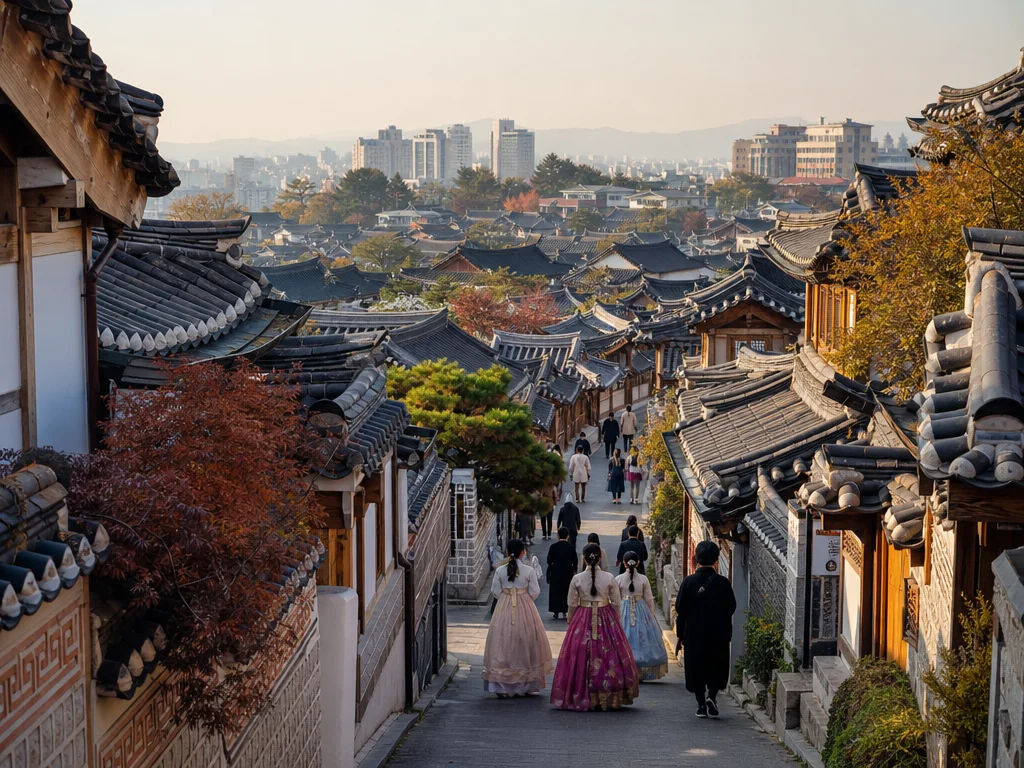
Jeonju Hanok Village is Korea’s largest traditional hanok cluster, but it is best enjoyed slowly. This guide shows how to spend a full day on foot, where to pair the village with nearby historic sites and market streets, and how food, hanbok, and local culture fit into one easy route.
KoreaBase Editorial · Nov 6, 2026

News & Topics
A practical introduction to K-pop idol groups for first-time listeners. Learn how Korea’s major agencies shaped the idol system, then meet selected groups by debut era, company association, and signature songs that help explain why each one matters.
KoreaBase Editorial · Nov 6, 2026
News & Topics / Seoul
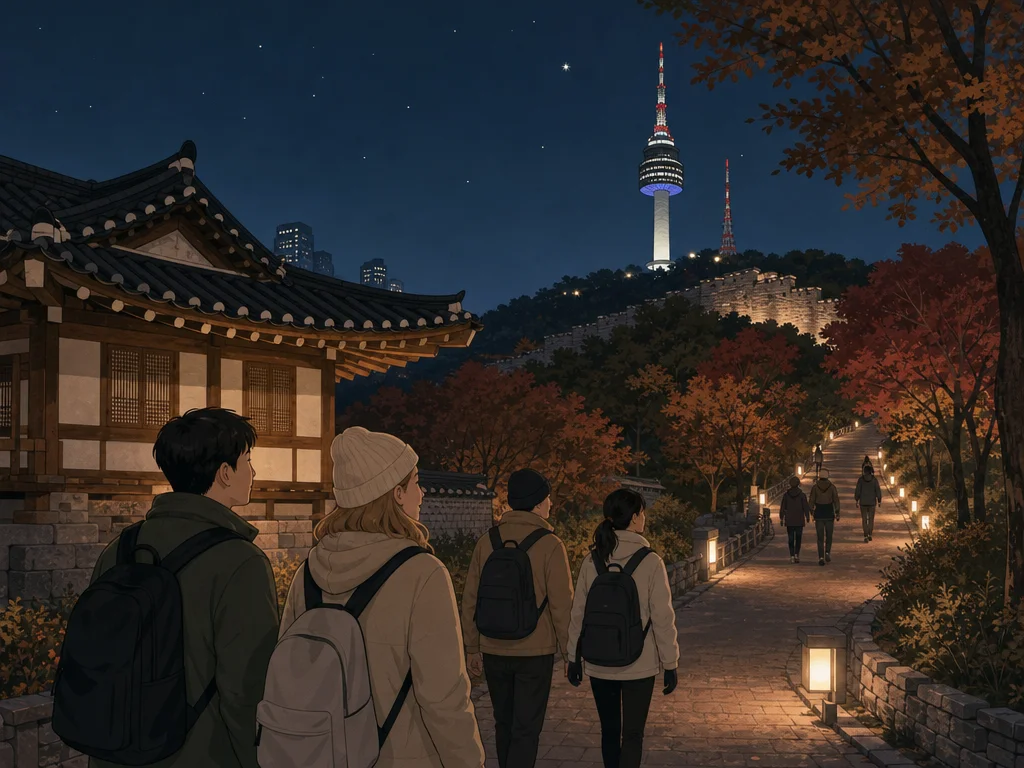
Seoul’s official event calendar lists Banjjak-banjjak Namsan Bammgil(반짝반짝 남산 밤길) for Saturday, November 21, 2026, from 7:00 p.m. to 9:00 p.m. at Namsangol Hanok Village’s Cheonwugak. Here’s how the walk works, what the 3 km route covers, and why it is an easy late-autumn outing for foreign visitors.
KoreaBase Editorial · Nov 5, 2026
Guides / Nationwide
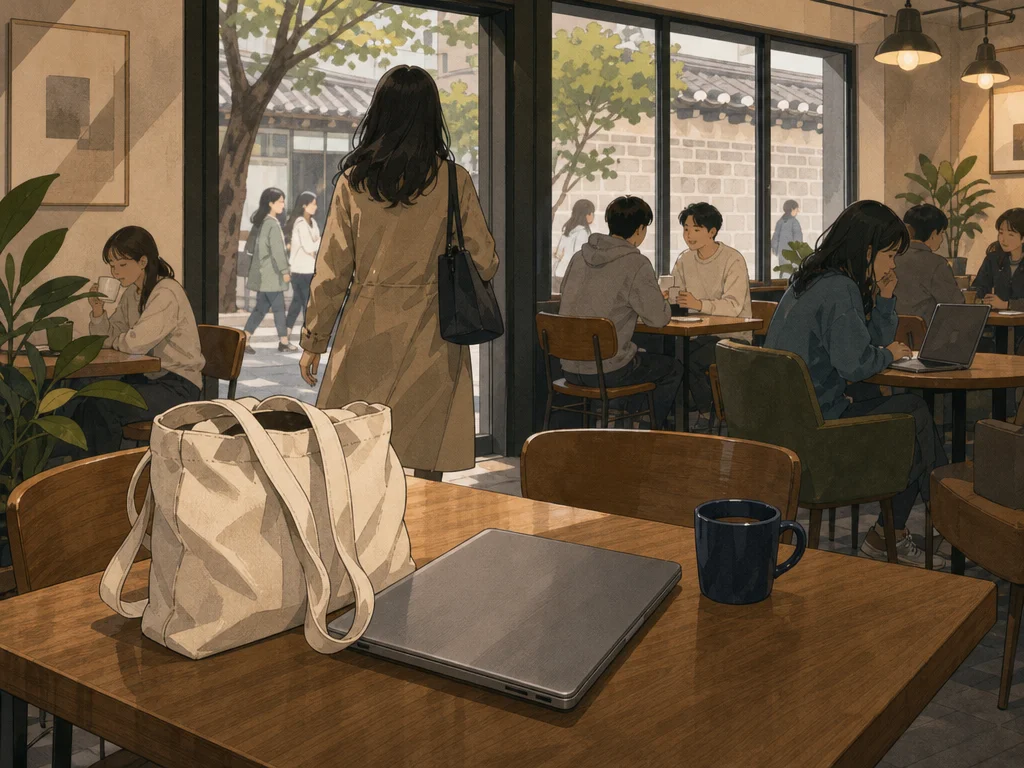
In many Korean cafes and public seating areas, leaving a bag, laptop, or other item on a table is often a way to hold a seat or show that someone is returning. The habit reflects busy seating patterns, high everyday trust, and practical cafe culture—but it is not a guarantee of safety, especially in crowded places.
KoreaBase Editorial · Nov 5, 2026
Places / Jeju
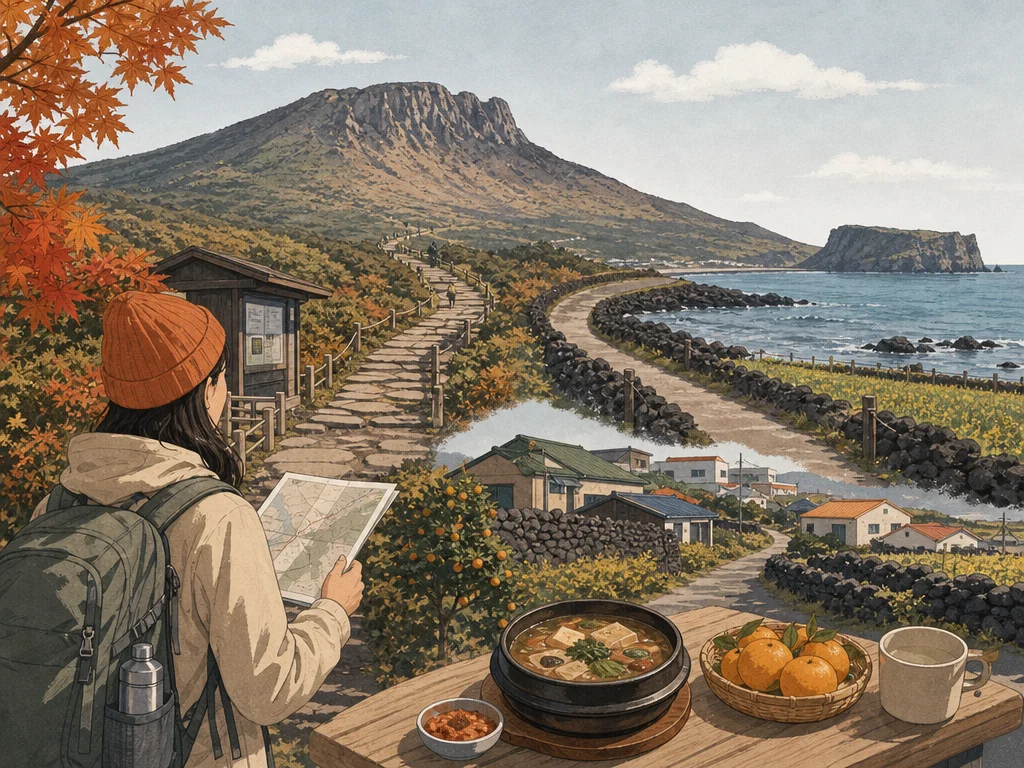
A simple early-November Jeju route can start with Hallasan’s reservation-based summit trails, then slow down into easier walking near village and coastal paths. Here is how first-time visitors can plan the day around current November access rules, what is open, and where to pair hiking with food and rest stops.
KoreaBase Editorial · Nov 5, 2026
Places / Jeju
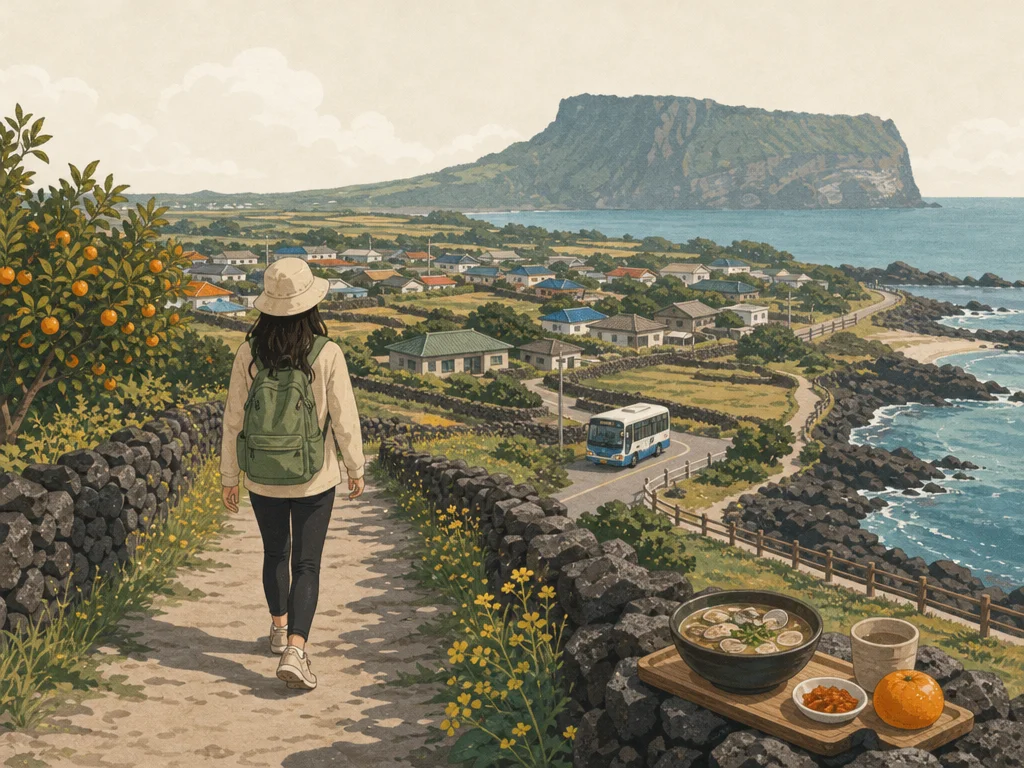
Skip the festival-first framing and explore Jeju through its walking routes, village landscapes, coastal paths, and food stops. This guide shows how to build a slower first trip around official trails, public transit, and simple planning choices that keep the island’s walking culture at the center.
KoreaBase Editorial · Nov 5, 2026
Food & Drink / Seoul
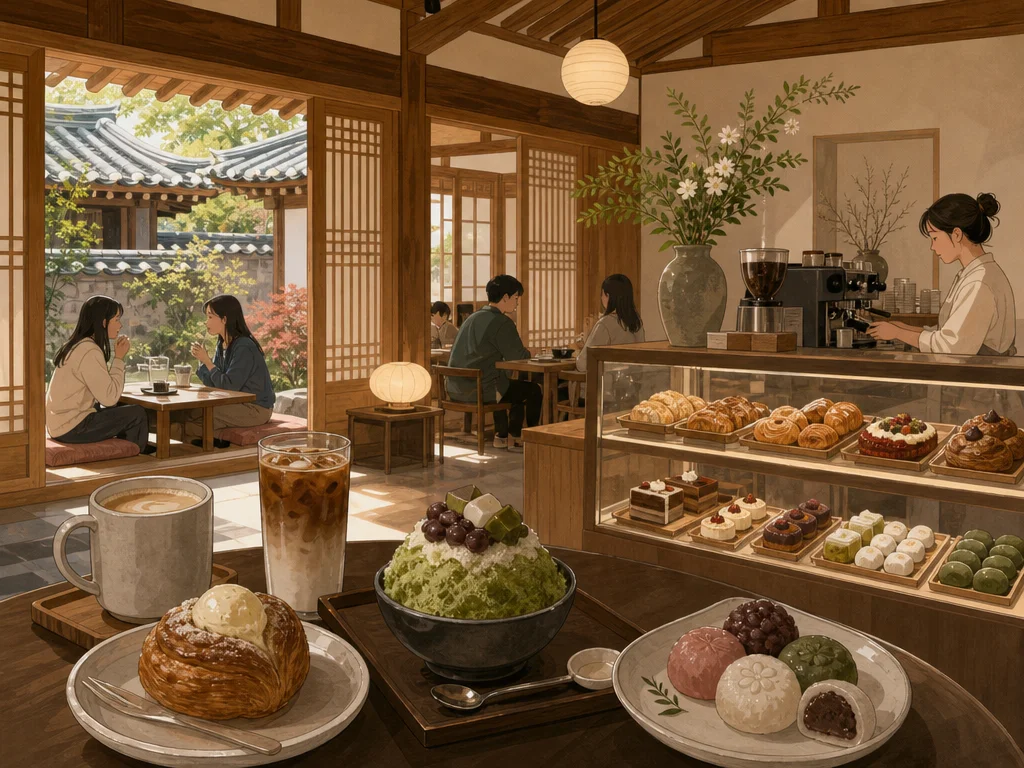
In Seoul, a café visit can mean coffee, pastries, traditional sweets, and a hanok setting in one stop. Here’s why Korean cafe culture blends bakery energy, dessert menus, and photogenic design so naturally—and what foreign visitors should order and expect.
KoreaBase Editorial · Nov 5, 2026
Food & Drink / Nationwide
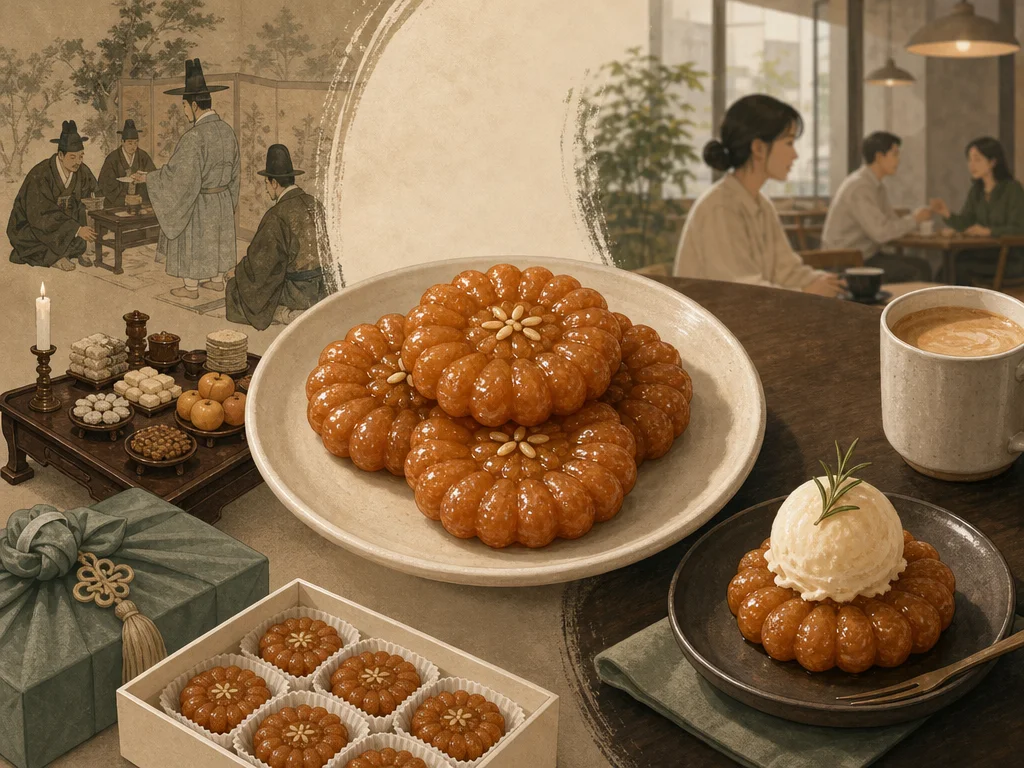
Yakgwa is a traditional Korean sweet made from wheat flour and oil, often sweetened with honey or syrup. Long served on ancestral and holiday tables and at special celebrations, it has also found a place in modern cafe desserts and gift boxes.
KoreaBase Editorial · Nov 5, 2026
Food & Drink / Nationwide
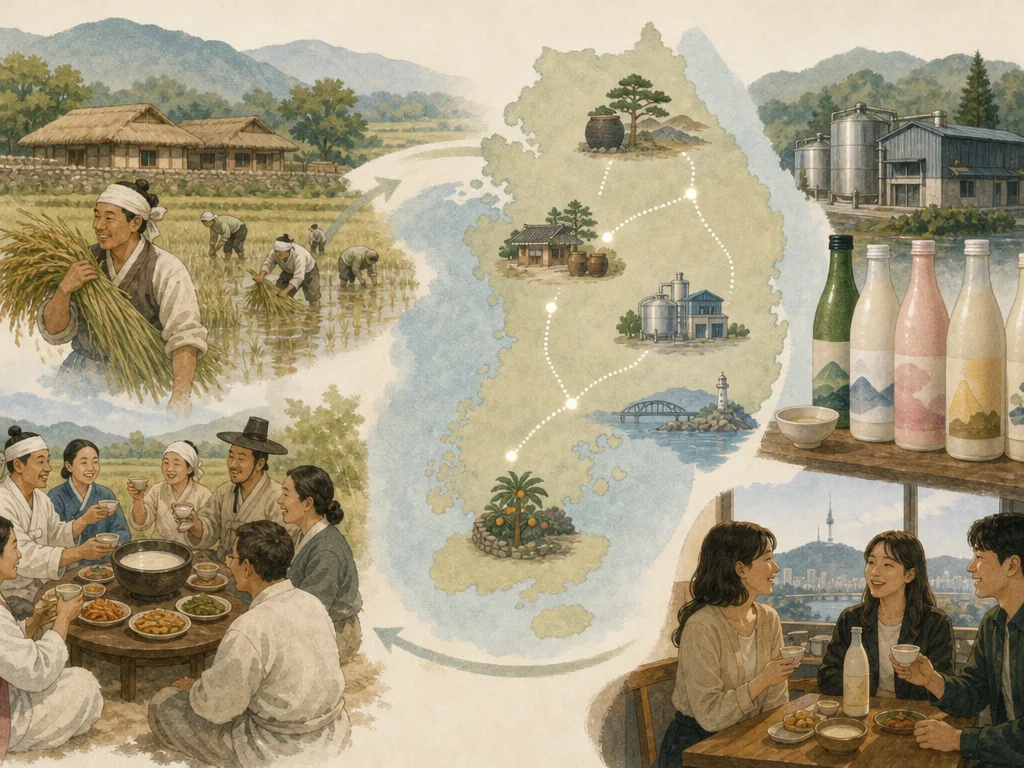
Makgeolli is one of Korea’s most familiar traditional alcoholic drinks, a cloudy grain wine traditionally fermented with nuruk and water. Once tied to farm life, breaks between fieldwork, and village gatherings, it is now made by breweries across Korea with different ingredients, fermentation methods, sweetness, acidity, and textures.
KoreaBase Editorial · Nov 5, 2026
Food & Drink / Nationwide
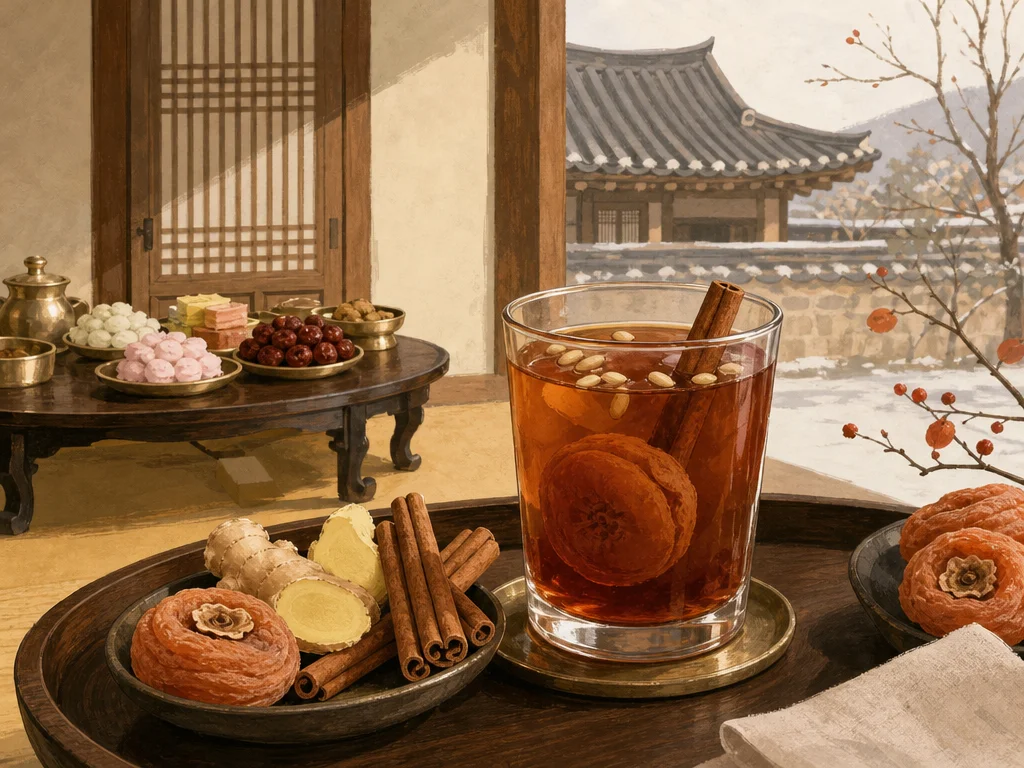
Sujeonggwa is one of Korea’s traditional dessert drinks, remembered first for its aroma. Made with cinnamon and ginger and served chilled, often with dried persimmon, it evokes holiday tables, courtly dessert culture, and a winter palate cleanser.
KoreaBase Editorial · Nov 5, 2026
Food & Drink / Nationwide
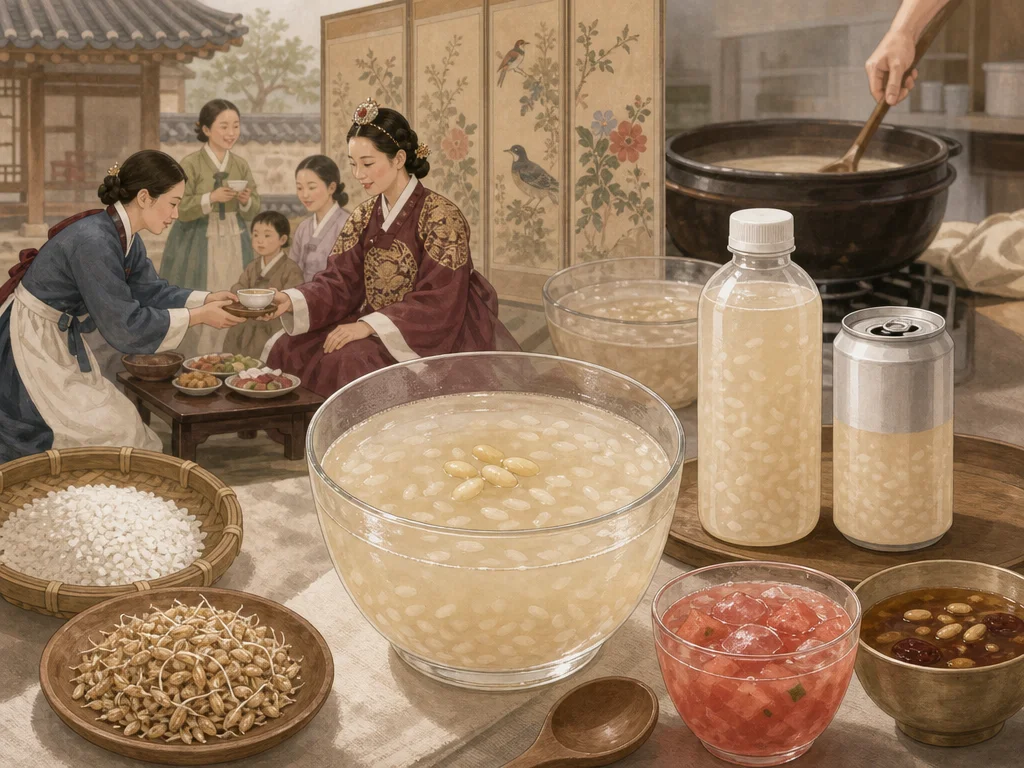
Sikhye is a traditional Korean sweet rice drink usually made with rice and malted barley, long enjoyed after holidays and feasts. Often served cold, it is known for its grain aroma, sweetness and characteristic rice grains. Commercial and homemade versions vary in ingredients and flavor.
KoreaBase Editorial · Nov 5, 2026
Food & Drink / Nationwide
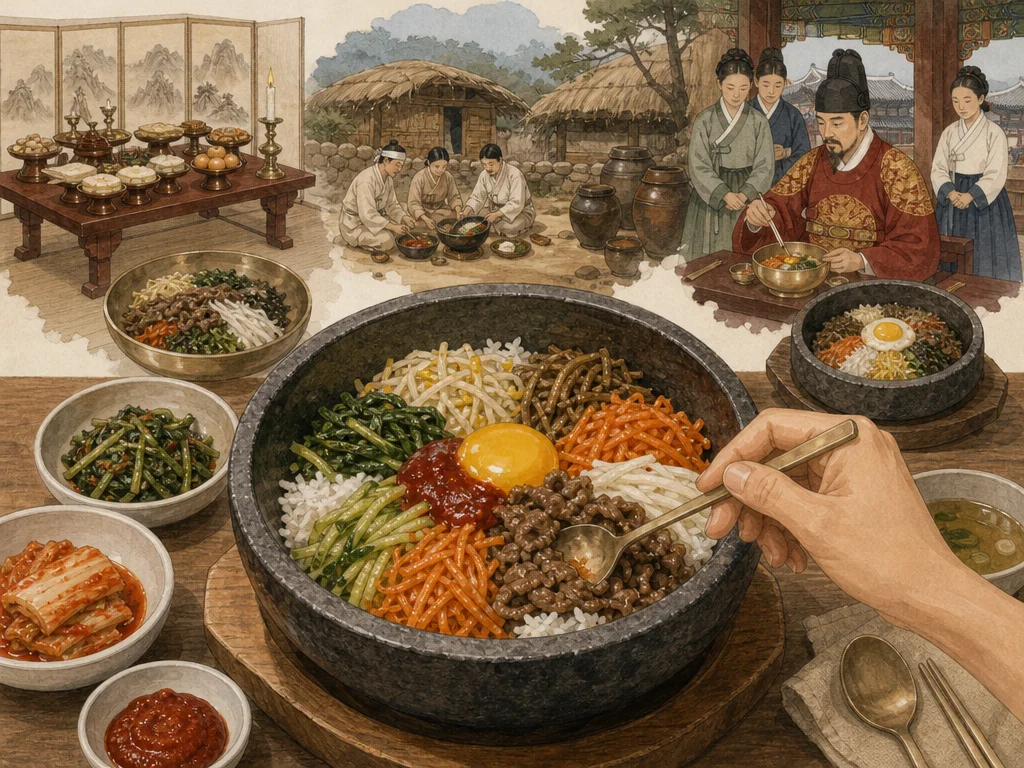
Bibimbap is Korea’s signature mixed rice dish, typically served with vegetables and sometimes meat and egg, with gochujang or another seasoning. Its exact origins are uncertain, with explanations involving ancestral rites, farming customs and leftover food. Known in the royal court as goldongban, it was also enjoyed outside the palace. Regional versions include Jeonju bibimbap, while dolsot bibimbap is served in a hot stone bowl.
KoreaBase Editorial · Nov 5, 2026