Explore / KoreaBase
Food
Guides, news, food, places and events for people exploring Korea.
Places / Nationwide
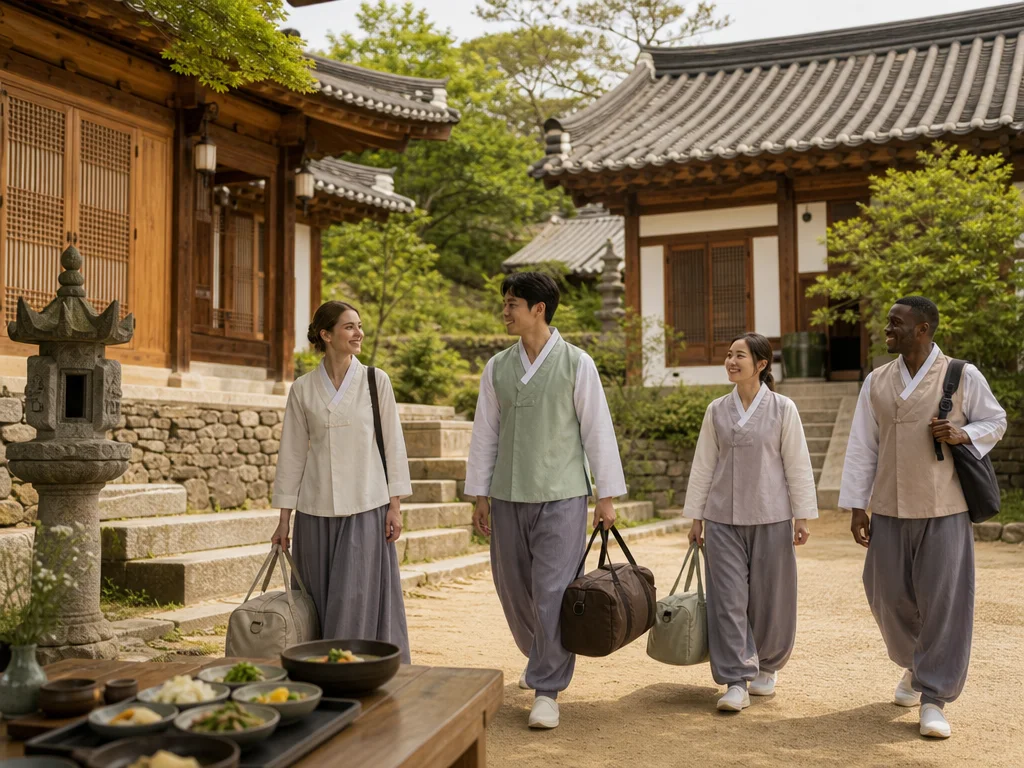
Temple stay is one of the easiest ways for foreign visitors to try Korea’s Buddhist culture, but the booking process, price range, and meal rules can still feel unclear. Here is a practical guide to five well-known temples, how reservations usually work, what you should budget, and what temple food is actually like.
KoreaBase Editorial · Nov 7, 2026
Food & Drink
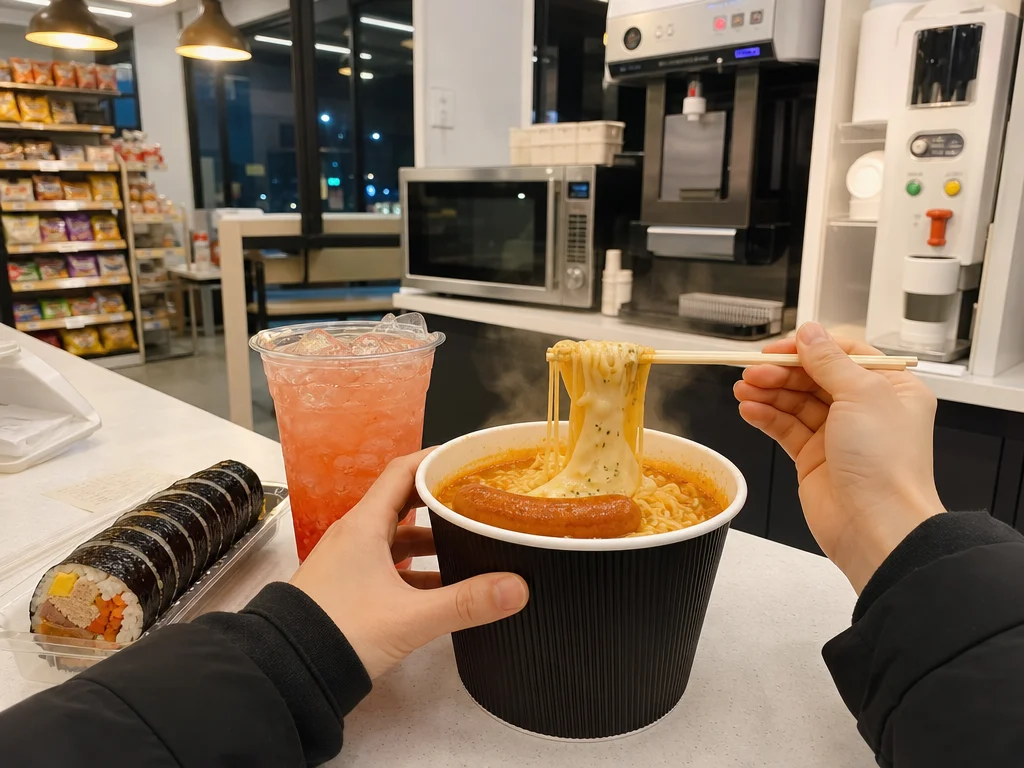
Korea’s convenience-store honey combos, or kkuljohap, can turn an affordable store stop into an easy late-night meal. Here’s why spicy ramyeon with cheese works, which pairings to try, and what first-time visitors should know.
KoreaBase Editorial · Nov 7, 2026
Places / Jeolla
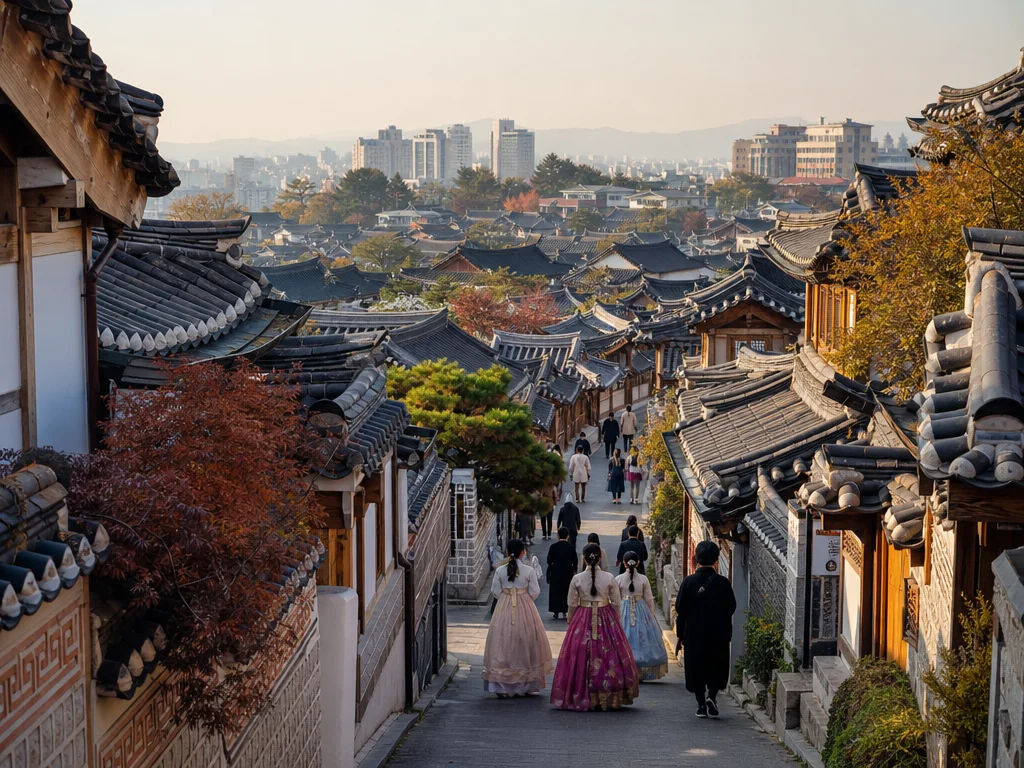
Jeonju Hanok Village is Korea’s largest traditional hanok cluster, but it is best enjoyed slowly. This guide shows how to spend a full day on foot, where to pair the village with nearby historic sites and market streets, and how food, hanbok, and local culture fit into one easy route.
KoreaBase Editorial · Nov 6, 2026
Places / Seoul
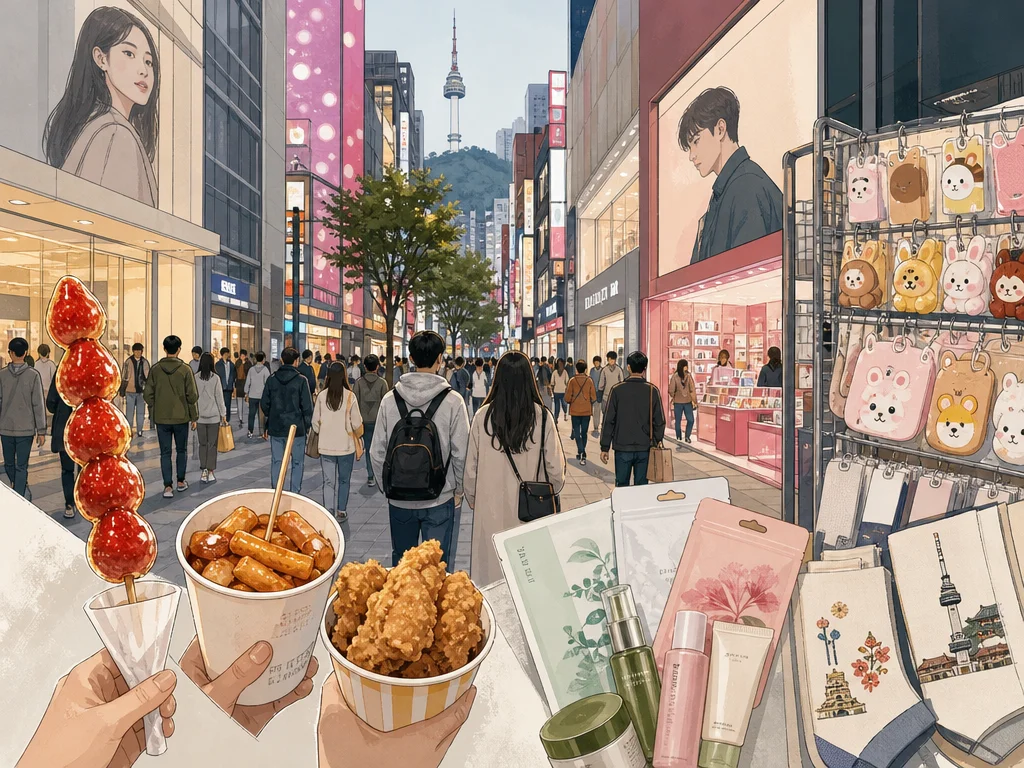
Myeong-dong is Seoul’s easiest high-energy introduction for foreign visitors: a dense mix of brand stores, department stores, alleyways, street snacks, and quick souvenir shopping. Here is what to see, what to eat, and what travelers most often buy on an on-foot visit.
KoreaBase Editorial · Nov 6, 2026
Food & Drink
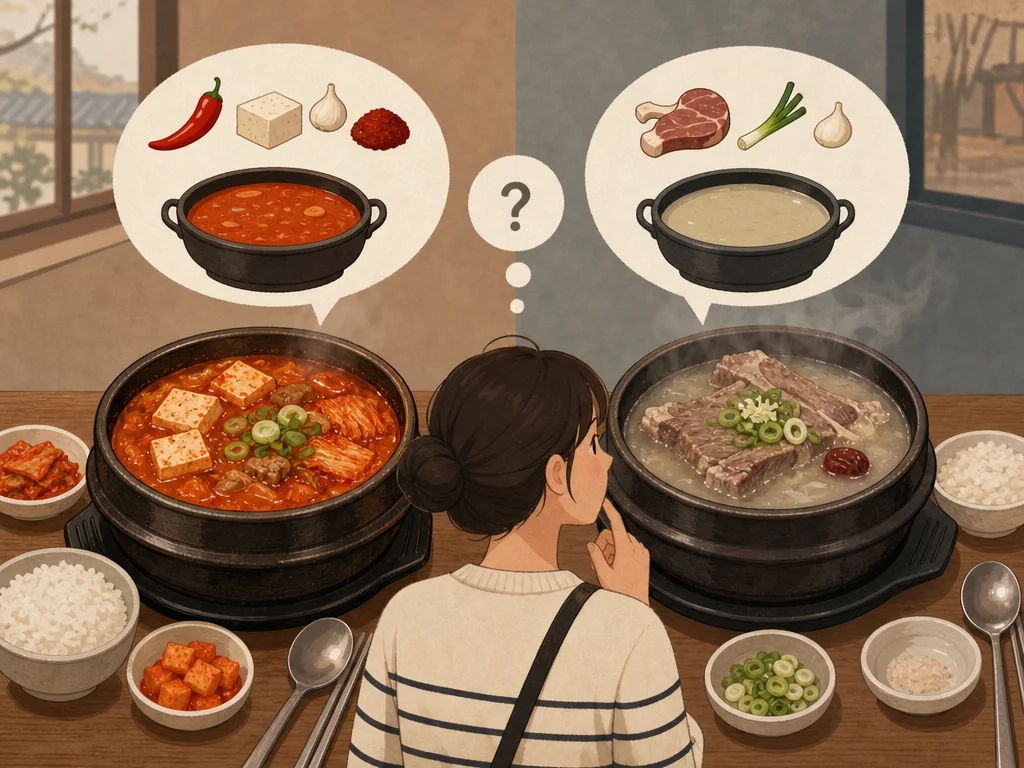
Jjigae (찌개) and tang (탕) can both look like soup on a Korean menu. Jjigae is generally more stew-like, while tang often has more broth, but seasoning and ingredients vary. Here are some menu clues to help you order.
KoreaBase Editorial · Nov 5, 2026
Places / Jeju
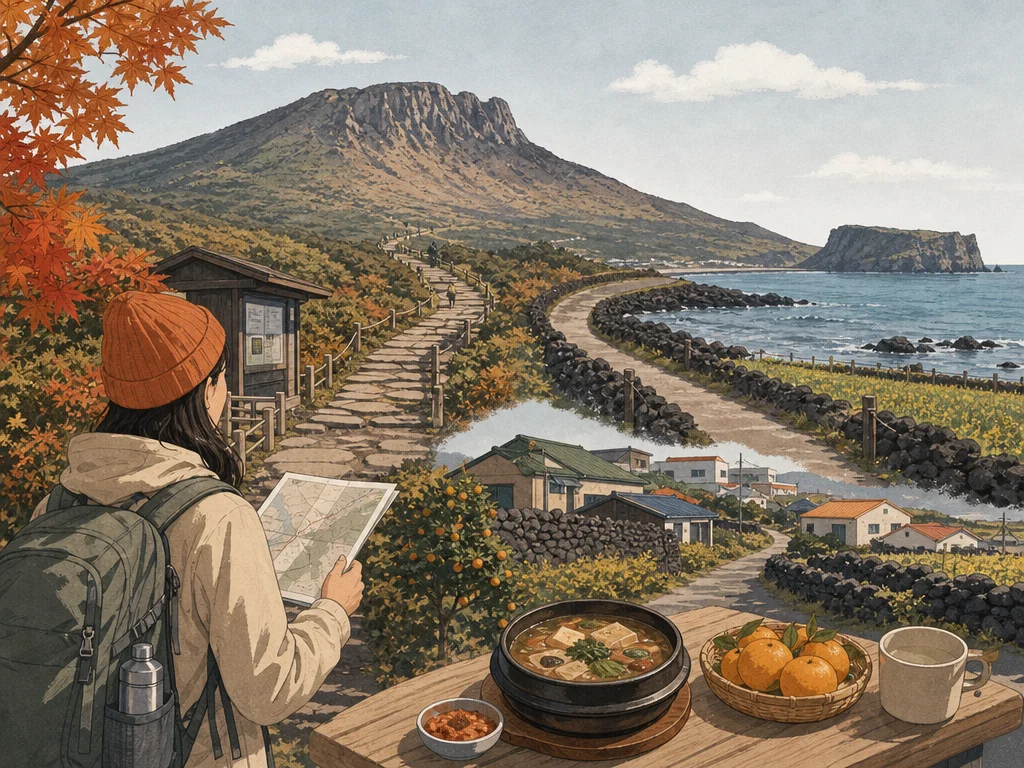
A simple early-November Jeju route can start with Hallasan’s reservation-based summit trails, then slow down into easier walking near village and coastal paths. Here is how first-time visitors can plan the day around current November access rules, what is open, and where to pair hiking with food and rest stops.
KoreaBase Editorial · Nov 5, 2026
Places / Jeju
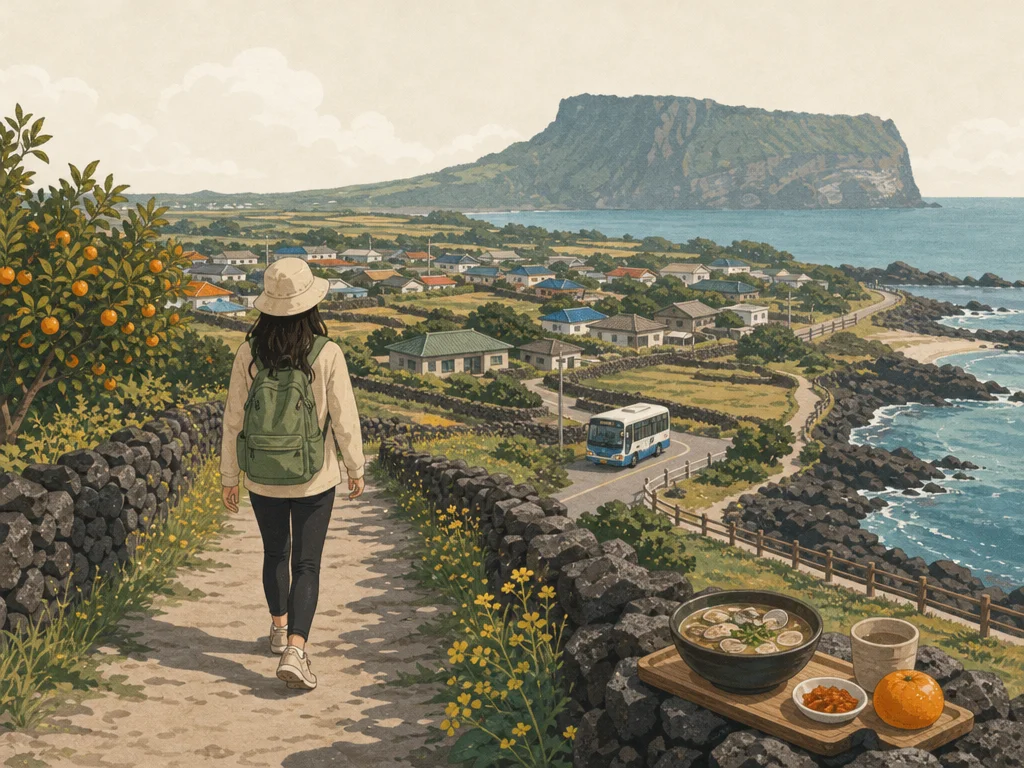
Skip the festival-first framing and explore Jeju through its walking routes, village landscapes, coastal paths, and food stops. This guide shows how to build a slower first trip around official trails, public transit, and simple planning choices that keep the island’s walking culture at the center.
KoreaBase Editorial · Nov 5, 2026
Food & Drink / Seoul
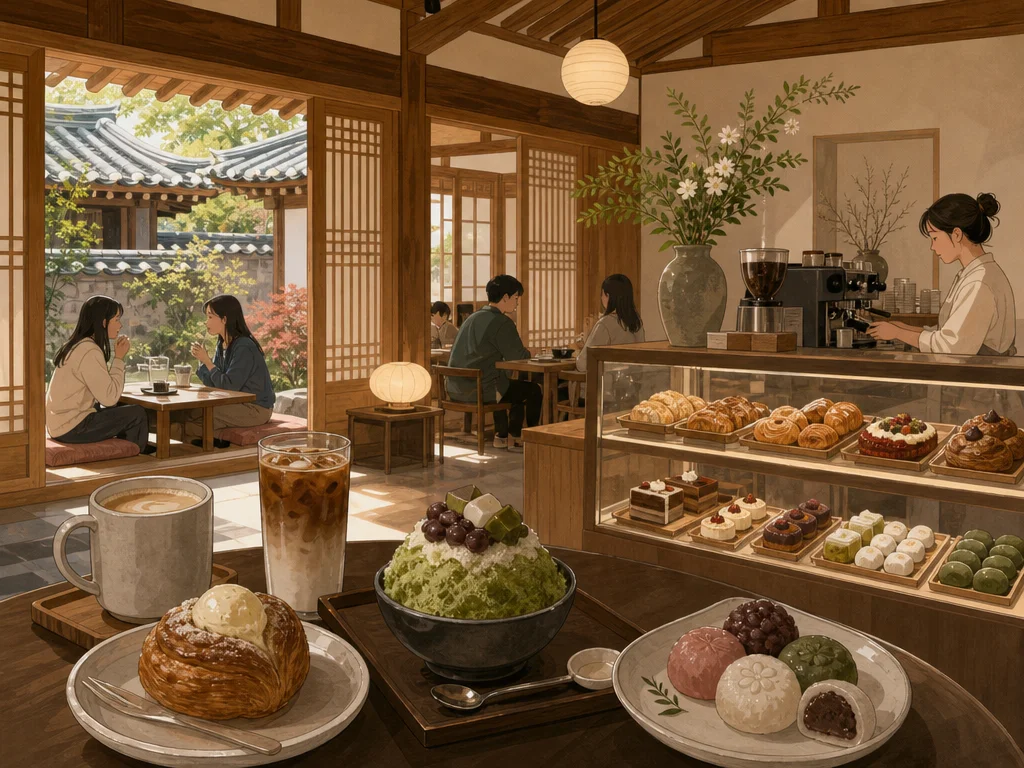
In Seoul, a café visit can mean coffee, pastries, traditional sweets, and a hanok setting in one stop. Here’s why Korean cafe culture blends bakery energy, dessert menus, and photogenic design so naturally—and what foreign visitors should order and expect.
KoreaBase Editorial · Nov 5, 2026
Food & Drink / Nationwide
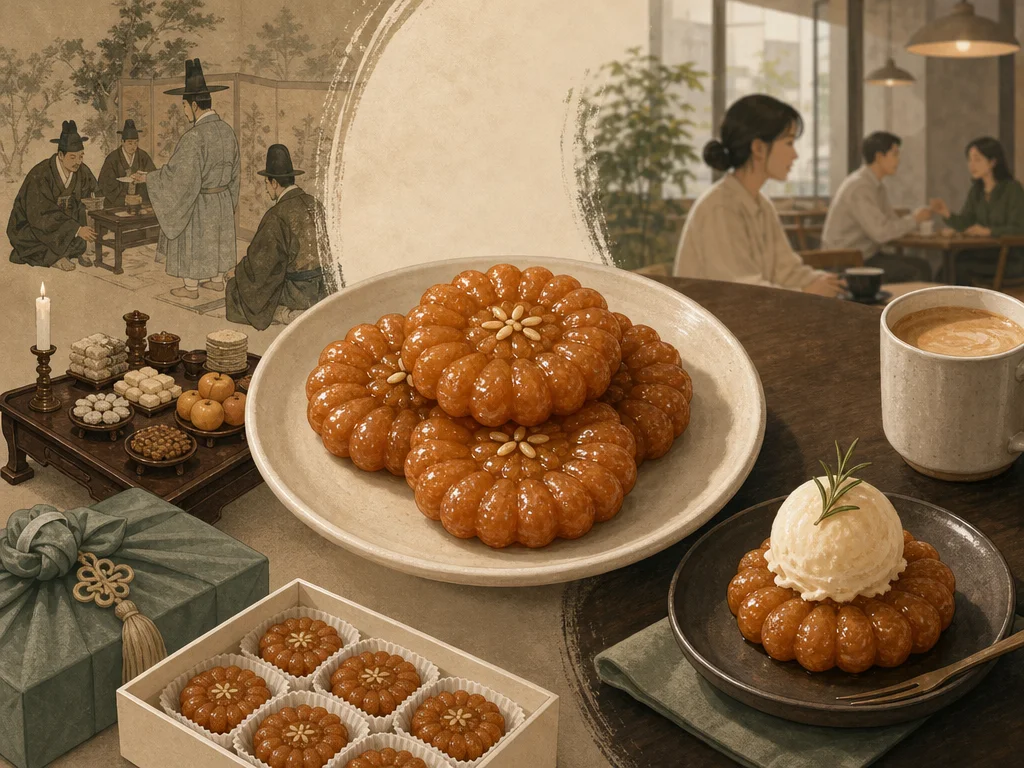
Yakgwa is a traditional Korean sweet made from wheat flour and oil, often sweetened with honey or syrup. Long served on ancestral and holiday tables and at special celebrations, it has also found a place in modern cafe desserts and gift boxes.
KoreaBase Editorial · Nov 5, 2026
Food & Drink / Nationwide
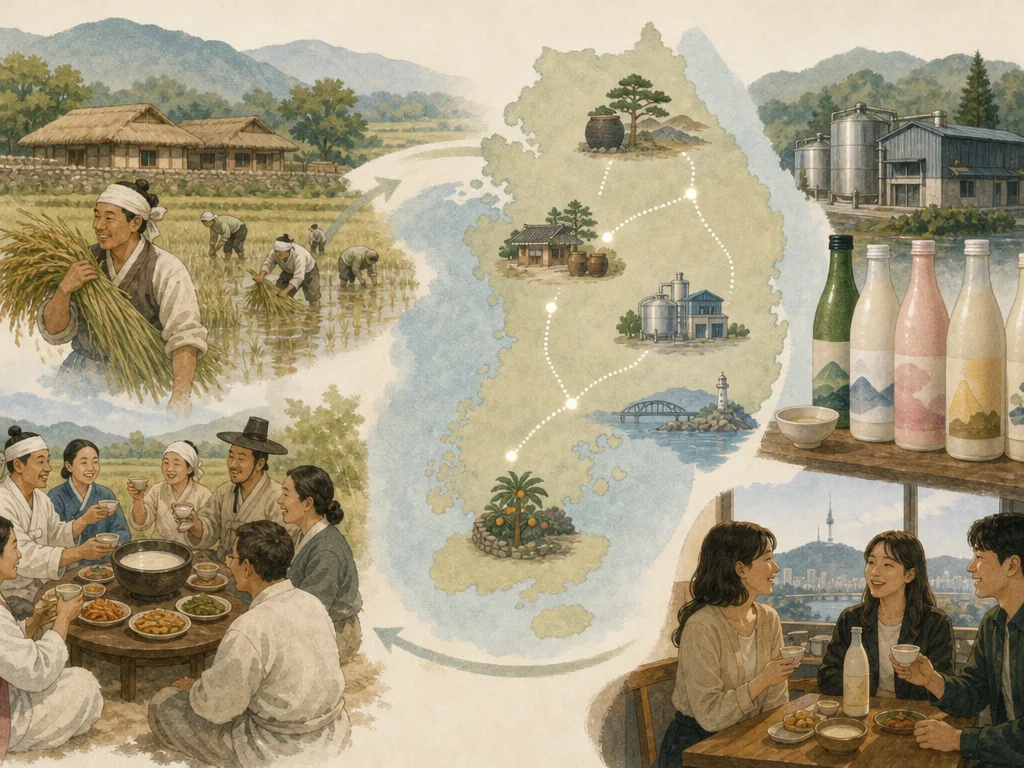
Makgeolli is one of Korea’s most familiar traditional alcoholic drinks, a cloudy grain wine traditionally fermented with nuruk and water. Once tied to farm life, breaks between fieldwork, and village gatherings, it is now made by breweries across Korea with different ingredients, fermentation methods, sweetness, acidity, and textures.
KoreaBase Editorial · Nov 5, 2026
Food & Drink / Nationwide
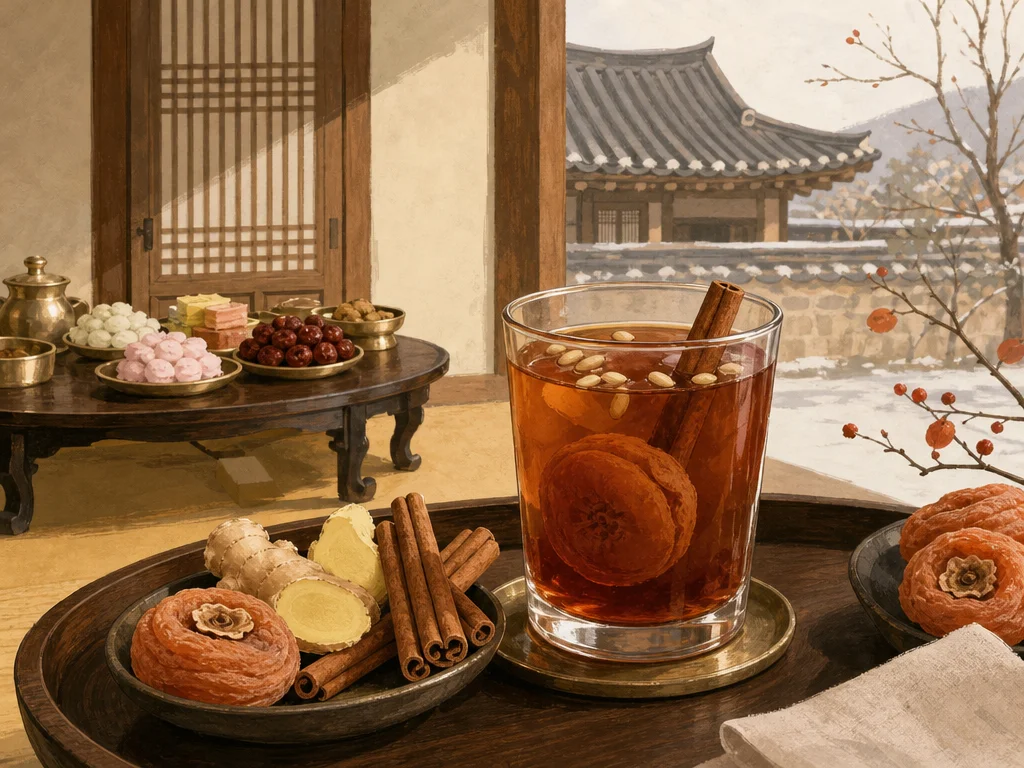
Sujeonggwa is one of Korea’s traditional dessert drinks, remembered first for its aroma. Made with cinnamon and ginger and served chilled, often with dried persimmon, it evokes holiday tables, courtly dessert culture, and a winter palate cleanser.
KoreaBase Editorial · Nov 5, 2026
Food & Drink / Nationwide
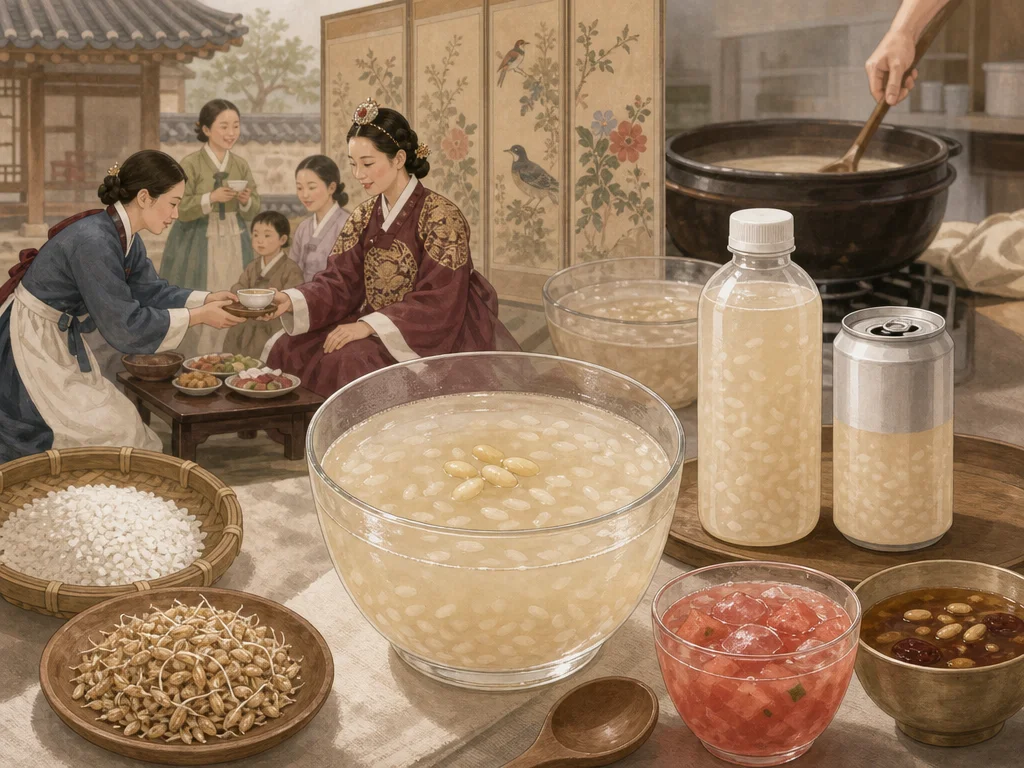
Sikhye is a traditional Korean sweet rice drink usually made with rice and malted barley, long enjoyed after holidays and feasts. Often served cold, it is known for its grain aroma, sweetness and characteristic rice grains. Commercial and homemade versions vary in ingredients and flavor.
KoreaBase Editorial · Nov 5, 2026